


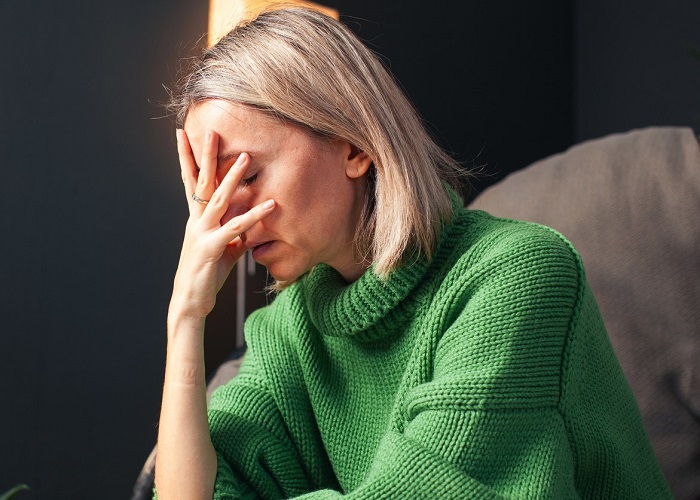
Four years after the height of the Covid-19 pandemic, South African doctors are still hearing patients complaining that they “feel better, but my mind isn’t the same”, and physician scientist Professor Jonny Peter writes in The Conversation that what began as a respiratory virus seems to have left a lingering mark on some people who were infected.
He writes:
In South Africa, more than 4m cases of Covid-19 were confirmed. For some patients, the physical recovery was just the beginning. Ongoing fatigue, poor concentration and mood changes due to lasting viral effects have affected work, relationships and quality of life.
Our team of specialist psychiatrists, clinical immunologists and laboratory scientists at the University of Cape Town set out to understand why some people continue to experience fatigue, anxiety and memory loss long after recovering from Covid-19.
We wanted to know whether the body’s early immune and cardiovascular responses to the virus could help predict who might go on to develop these persistent symptoms. They are often referred to as long Covid, or a major component of long Covid.
Most studies on long Covid have come from high-income countries in Europe or North America. African populations have been under-represented, despite clear differences in age, health status and environmental exposures that may influence both the course of infection and recovery.
We felt that this was an important gap: the neuropsychiatric effects of long Covid in an African context.
Also, understanding whether the same biological risk factors apply is crucial for designing appropriate health services and ensuring equitable research representation. Local data matter as it demands policy makers take the problem seriously.
Our recent research revealed an alarming picture. More than half of the participants in our study group in Cape Town who had been infected with the coronavirus (and mostly had been in hospital with it) had at least one neuropsychiatric symptom more than six months after infection. The symptoms included fatigue, concentration or memory difficulties.
Many still had these symptoms up to two years later.
Unfortunately, none of the blood biomarkers we measured during acute infection, including those linked to inflammation, cardiovascular stress and the entry system for the SARS-CoV-2 virus, the renin-angiotensin system, could predict who would develop long-term cognitive or mental health problems.
Biomarkers are biological signs of what’s happening in the body.
What we did
We followed 97 people in Cape Town who had tested positive for SARS-CoV-2 during the first three waves of infection, before vaccines were widely available. Most were hospitalised with moderate to severe disease, while others had mild or even asymptomatic infections.
The first three waves were June to August 2020, November 2020 to February 2021, and May to September 2021.
Blood samples were collected during the peak of illness and again several months later (between six and 24 months). Using advanced protein profiling, we measured 96 molecules linked to inflammation, cardiovascular stress and the renin–angiotensin system, a network of hormones that regulates blood pressure and has been implicated in Covid-19’s effects on the body.
At least six months after infection (and up to 24 months for some), participants completed telephone interviews using validated questionnaires to assess anxiety, fatigue and cognitive function.
These included the Telephonic Montreal Cognitive Assessment, a screening tool for memory and attention problems. While we did not interview a control group, we know the background rates for age.
Our findings
The results were striking:
- Persistent symptoms were common: More than half had at least one ongoing symptom more than six months after infection.
- Memory and thinking problems: 44% showed measurable cognitive or memory impairment, while 53% reported memory problems.
- Fatigue: 55% reported moderate to severe fatigue.
- Anxiety and distress: One in four had high anxiety levels, and the number taking psychiatric medication nearly doubled after infection.
- Severity didn’t predict outcome: These problems affected people across all levels of illness, including those who were never hospitalised.
- No predictive biomarkers: None of the inflammatory, cardiovascular, or renin–angiotensin markers measured during acute illness or recovery was linked to persistent symptoms. In short, the usual blood tests taken during infection didn’t help identify who would go on to develop long Covid symptoms.
All of these reported symptoms were new to the individuals and only came after Covid.
The lack of a clear biological predictor suggests that long Covid’s mental and cognitive effects aren’t easily explained by inflammation alone. Some scientists propose that the virus may directly injure brain cells or persist in the nervous system.
Others believe that subtle, ongoing immune activation in the brain, known as microglial activation, could be involved.
In South Africa, there’s also another layer: the social and economic aftermath of the pandemic. Unemployment, inequality and limited access to healthcare have magnified stress and vulnerability.
Research during lockdowns showed increased rates of domestic violence and psychological distress, particularly among people of lower socioeconomic status. These factors are likely to amplify the mental toll of Covid-19 and its long-term effects.
Jonny Peter – Associate Professor, Unit Head and also serves as Head of the Division of Allergology and Clinical Immunology at Groote Schuur Hospital, University of Cape Town
See more from MedicalBrief archives:
Half of SA’s Covid-19 patients had long-term mental issues – UCT study
Ongoing challenge to understand – and treat – long Covid
Sickness claims hint at long-term impact of Covid
True impact of Covid still unknown – Global Burden of Disease study
More than half of patients suffer long Covid symptoms – SA study