


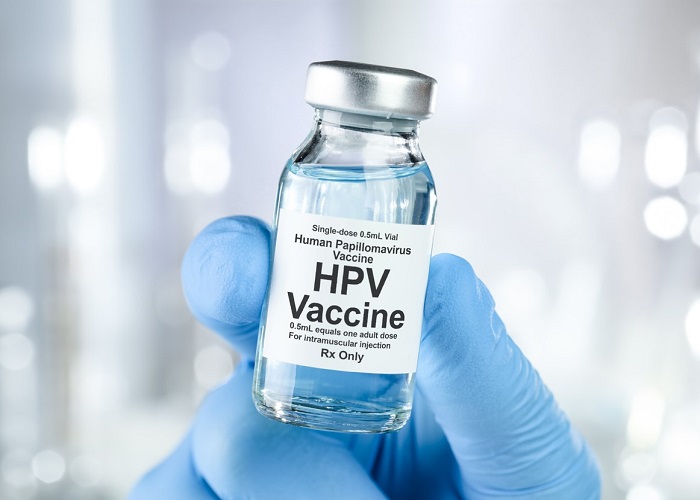
South Africa’s 2026-2030 strategy, which will soon be launched, aims to get girls vaccinated from the age of nine against HPV before they turn 15, but experts and researchers strongly believe boys need to get vaccinated, too, write Damian Naidoo, Kaymarlin Govender and Joanne Mantell for Bhekisisa.
The human papillomavirus, or HPV, is one of the most common sexually transmitted infections worldwide, and most individuals will be exposed to it at some point in their lives.
HPV infection is mostly talked about as a women’s issue because of its link to 95% of cervical cancer cases.
This country’s 2026-2030 strategy acknowledges this link and plans to vaccinate girls from the age of nine and before they turn 15, according to the Health Department, but men also get HPV – and boys, therefore, need to be vaccinated too.
Most men who have HPV don’t feel unwell or develop any symptoms. In many cases, the body clears HPV on its own within one to two years. But when it lingers, it can lead to serious health problems, including cancer.
Globally, about one in three men has at least one genital HPV type. And about one in five men carry one or more types of the virus that can cause cancer. These cancers can affect the penis, anus and back of the throat.
One of the types of HPV which can cause cancer – HPV-16 – is responsible for most HPV-driven genital and oral cancers in both men and women.
The simple HPV vaccination can prevent cancers and diseases caused by certain HPV types entirely, helping to curb such cancers in men which are rising worldwide. But, despite overwhelming evidence, boys and men are still largely excluded from HPV immunisation programmes in many countries, including South Africa.
How HPV affects men
HPV spreads through vaginal, oral and anal sex, as well as skin-to-skin contact during intimacy. The virus can infect areas like the scrotum, vulva, perineum, anus and upper thighs, which condoms don’t cover.
Unlike for women in South Africa, men can’t get routine HPV-related cancer screening in the public sector.
Women who are 30 or older can get free cervical cancer screening (pap smear) once every 10 years at a government clinic. Those with HIV, can get a more frequent pap smear every three years, starting at diagnosis.
But for men, it’s a different story.
HPV-related cancers are often detected late in males because no routine screening exists, leaving them vulnerable to cancers that are harder to treat. Some doctors may recommend an anal pap smear, normally offered to men who have receptive anal sex.
In the United States and other high-income countries, cancers of the throat caused by HPV in men are now more common than cervical cancer in women, mainly in unvaccinated males. The risk is even higher for men with HIV, as HPV infections tend to last longer and are more likely to recur in people whose immune systems are already under strain.
HPV can also affect men in other ways. Research shows the virus can reduce fertility by damaging sperm, making it harder to conceive. There is also growing evidence linking HPV to prostate cancer, a disease that is rising rapidly: new cases are expected to rise by almost 65% between 2020 and 2040 worldwide.
The problem
But boys and men are mostly excluded from HPV immunisation programmes, often because of the WHO’s recommendations on vaccinating girls aged nine to 14 against HPV: it is recommended for men and older women when feasible and affordable so that it doesn’t divert resources from vaccinating the primary target population.
South Africa has a successful government-funded school vaccination programme for girls in both public and private schools between the ages of nine and 14. This approach assumes that vaccinating girls will indirectly protect boys by reducing the spread of the virus, a concept known as herd immunity.
But relying on this strategy has serious gaps. Not everyone is vaccinated and viruses mutate over time, creating new versions, and thus protection wanes over time.
Leaving boys and men out doesn’t just miss an opportunity to prevent cancer, it raises questions about gender equity and sends the message that protecting men’s health matters less.
Right now, boys in South Africa can only get HPV vaccines through the private healthcare sector, where it’s expensive, ranging from between R1 102 and R2 365 a shot, depending on which of the three available they use, and how many doses they require. The vaccine is often not covered by medical aid schemes, and out of reach for many families.
Although cost is often given as a reason not to expand vaccination to boys, this short-term thinking ignores the much higher long-term economic and social costs of treating cancer, lost income and preventable deaths.
Studies from other countries, like China, show that vaccinating boys and men is not only effective but cost-effective. The study found vaccinating 14-year-old boys could avert up to 416 654 cancer cases.
South Africa has committed to giving everyone access to the same healthcare through NHI, and protecting everyone from preventable diseases like HPV should be part of that promise.
Time to act
Many wealthy countries have adopted a gender-neutral HPV vaccination approach to curb the virus’ spread and reduce infections in men. This has led to the United Nations General Assembly supporting the inclusion of boys in HPV vaccination programmes globally.
Some African countries, including Cameroon and Mauritius, have already started moving in this direction, and eSwatini plans to follow in late 2026. Vaccinating both girls and boys offers two critical benefits. First, it protects both males and females directly from HPV-related diseases. Second, it reduces the virus’ spread across the entire population.
Research shows that vaccinating both boys and girls can achieve the same level of protection in eight years that would otherwise take 20 years if only girls are vaccinated.
HPV is not just a women’s issue. It is a men’s health issue, too – one that is often silent, but potentially life-threatening.
South Africa has made important progress, but it is time to go further. Expanding HPV vaccination to include males, increasing public awareness and updating national and global policies are critical next steps.
Ignoring men in HPV prevention is no longer an option.
Damian Naidoo – public health researcher, formerly with the KwaZulu-Natal Department of Health;
Kaymarlin Govender –public health scientist, Research Director at HEARD, at the University of KwaZulu-Natal;
Joanne Mantell – research scientist, Department of Psychiatry, Columbia University Irving Medical Centre.
See more from MedicalBrief archives:
HPV vaccine winning the cervical cancer war, but …
SA makes strides with HPV vaccine campaign, but not fast enough
HPV vaccine shows success in gay and bisexual men — HYPER2 study
HPV vaccine critical to protect against cancer in poorer countries
UK introduces HPV vaccine programme for gay and bisexual men