


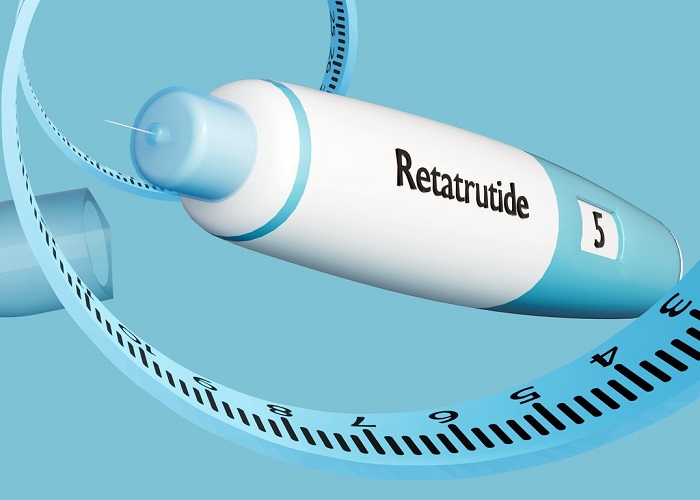
Costly new generation weight loss drugs are unaffordable for most people, which has opened up a black market for cheaper, unregistered and untested versions of the medicines being sold across the country, posing a public health threat, as highlighted by a newspaper exposé and unpacked by Bhekisisa health journalists.
Over several weeks, a Mail & Guardian investigation traced a rapidly growing, highly lucrative shadow market for products labelled as retatrutide. These illicit substances are advertised openly across social media platforms, digital marketplaces, boutique wellness clinics and informal gym networks.
Across the globe, retatrutide has become one of the most closely watched experimental obesity drugs in medical history. Early-stage clinical trials have produced unprecedented weight-loss results, eclipsing even the massive success of semaglutide (Ozempic) and tirzepatide (Mounjaro), writes Hasina Kathrada for Mail & Guardian.
But it’s still undergoing testing – and despite not having been approved for commercial sale or human consumption by any regulatory agency anywhere, is actively being bought and injected in South Africa.
The man at the Johannesburg gym insisted the injectable he was selling was pharmaceutical grade, and been manufactured locally in a clean, high-tech lab. A month’s supply cost R3 000. He pulled a professionally packaged, slickly designed box from his bag. The label read, simply: Retatrutide.
What began as an investigation into a single rogue seller quickly unravelled into a sprawling underground economy.
Online searches uncovered dozens of unapproved peptide products aggressively promoted for rapid weight loss, muscle recovery, anti-ageing and longevity. Some are sold as individual vials. Others are marketed as injectable “stacks”, personalised wellness protocols or comprehensive coaching programmes.
To bypass legal scrutiny, many are stamped with warnings like “Research Grade” or “Not for Human Consumption”. Yet, the very same advertisements explicitly promise powerful therapeutic benefits: severe appetite suppression, accelerated fat loss and optimised metabolic health.
Retatrutide is the name attracting the greatest attention and the highest price tags.
The advertisements are easy to find. A few keystrokes on Instagram, Facebook or local classified sites yield page after page of peptide products marketed directly to South African consumers.
Retatrutide appears alongside other experimental or unapproved compounds: Cagrilintide, Tesamorelin, BPC-157, TB-500, GHK-Cu and injectable NAD+. These products are presented with the confidence, clinical polish and branding of legitimate, licensed medicines.
Regulatory red flags
For the South African Health Products Regulatory Authority (SAHPRA), this thriving digital marketplace represents a severe public health threat.
“Already it’s a red flag to see them being sold online because that is not the authorised channel,” said Mokgadi Fafudi, SAHPRA’s regulatory compliance manager.
Asked specifically about the boxes labelled retatrutide circulating in Johannesburg gyms, she said: “It is still under clinical investigation. It’s not even yet available in any market as approved for routine sale.”
For the regulator, the issue extends far beyond the illegal sale of an experimental compound. The true danger lies in the lack of transparency regarding what consumers are actually putting into their bodies.
“What is scary,” Fafudi warned, “is that you don’t even know the composition of whatever you are buying.”
Products sold outside South Africa’s strict, regulated medicines system have never been evaluated by SAHPRA for quality, safety or efficacy.
Regulators cannot verify whether a vial actually contains the ingredient named on the label, whether the stated concentration is accurate, or whether the substance was manufactured, stored and transported under the rigorous conditions required for sterile injectables.
“There is likely to be contamination and sterility failure,” Fafudi said. “These products must be produced under sterile conditions because they are going to be injected directly into the human body.”
Fafudi flatly rejects the legal loopholes exploited by underground sellers who claim that labelling a product “Research Grade” clears them of wrongdoing.
“There is no product on the market that is a scheduled substance without us having evaluated and approved it,” she said.
When asked if investigational medicines can legally be marketed to everyday consumers for weight loss under any circumstances, her answer was blunt: “No, they can’t because that will be an investigational product. An investigational product may only be used within that clinical context.”
Epidemic of illicit peptides
South Africa is far from alone in facing this crisis. The explosive global demand for next-generation weight-loss drugs has completely outpaced legitimate supply chains, creating a fertile global playground for counterfeiters and black-market syndicates.
The warnings issued by international regulators mirror SAHPRA’s concerns almost word for word.
In New Zealand, medicines regulator Medsafe recently issued a stark about purchasing unapproved peptide products online.
The agency reported a sharp rise in illicit imports and digital sales, cautioning that products marketed as peptides frequently fail to contain the advertised ingredients, regularly contain undisclosed harmful substances, and are almost never sterile. Medsafe specifically highlighted products labelled as retatrutide, reminding the public that the drug remains strictly investigational.
Similarly, Austria’s federal medicines regulator has sounded the alarm, describing illegal peptide products bought online as posing “incalculable health risks”.
Austrian authorities noted that experimental compounds marketed for weight loss, bodybuilding and anti-ageing are increasingly hiding behind “Research Grade” labels to obscure their unknown origins, substandard manufacturing practices and unpredictable chemical profiles.
The striking similarities between the warnings from Pretoria, Wellington and Vienna underscore a co-ordinated, international underground pipeline.
Across multiple continents, the playbook is identical: exploit the massive hype surrounding clinical trials, copy the branding of major pharmaceutical companies, and sell unverified chemicals directly to desperate consumers through unmonitored digital channels.
Bypassing safeguards
For Johannesburg endocrinologist Professor Zaheer Bayat, these regulatory warnings are no longer theoretical abstractions. The consequences are walking right into his consulting rooms.
“We have seen an increase in patients asking for these products,” he told Mail & Guardian.
What concerns clinical experts like Bayat is that patients, driven by societal pressure and social media trends, are bypassing the vital safeguards built into South Africa’s medical infrastructure.
“A lot of these products bypass the standard pathways of pharmacovigilance, quality control and prescriber accountability,” he warned. “There’s no guarantee of dose accuracy, sterility or that the vial contains what the label says.”
Without rigorous independent verification, patients injecting these gym-sourced or internet-sourced chemicals face a laundry list of clinical risks.
These include localised or systemic infections from non-sterile manufacturing, severe toxicity from chemical contaminants, unpredictable side effects from incorrect dosing, and rapid drug degradation caused by a total lack of temperature-controlled shipping and storage.
“These factors drastically affect both the safety and the efficacy of anything you inject,” he cautioned.
But for the average consumer, the crucial line between a scientific breakthrough undergoing rigorous multi-year trials and a finished product ready for public purchase is easily blurred.
A professionally manufactured injection pen, a highly confident salesperson and a handful of curated transformation testimonials on TikTok or Instagram can easily deceive a buyer into believing a product is legitimate.
In reality, there is absolutely no way for the consumer – or often even the middleman selling it – to verify where the powder was synthesised, what chemicals were used to bulk it out, or whether it is safe for human tissue.
Fighting a digital hydra
The Pharmaceutical Task Group, an industry body representing organised pharmacy and manufacturing interests, views this underground trade as a direct violation of the laws protecting the South African public.
Chairperson Stavros Nicolaou said the illicit trade threatens the integrity of the country’s entire healthcare framework.
“The issue extends well beyond a single product,” he said. “The sale of unregistered peptide products raises important questions about compliance with South Africa’s medicines regulatory framework, particularly where products are imported, manufactured, distributed or promoted outside the legal requirements.”
For SAHPRA, trying to dismantle this decentralised, online marketplace has turned into a frustrating, constant game of digital whack-a-mole.
Fafudi insists the regulator is actively expanding its surveillance and enforcement capabilities, and strengthening compliance.
SAHPRA is working closely with border customs officials, national law enforcement agencies, professional medical councils and online platforms to intercept illegal imports, take down illicit digital storefronts and disrupt localised supply chains.
Additional specialised investigators have also been permanently assigned to monitor market surveillance, advertising violations, import hubs and product traceability, said Fafudi.
SAHPRA is currently investing in advanced artificial intelligence tools designed to automatically scan local online platforms, identify illegal pharmaceutical advertisements and flag rogue sellers in real-time.
“We are trying to get AI tools that will help us crawl the net and see what is out there, especially for these kinds of products,” Fafudi added.
However, she acknowledged the immense challenges of policing an economy that thrives in the shadows of encrypted messaging apps and private groups. “You close this and others pop up.”
Despite the hurdles, the crackdown has teeth. SAHPRA has already seized substantial quantities of illicit peptides, initiated formal criminal cases and referred licensed healthcare professionals caught distributing these substances to statutory bodies, including the Health Professions Council of South Africa (HPCSA) and the South African Pharmacy Council (SAPC).
One critical focus of these ongoing investigations is uncovering the exact source of the raw materials entering South Africa.
Fafudi said investigators had intercepted shipments where active pharmaceutical ingredients (APIs) were intentionally mislabelled and smuggled into the country disguised as industrial chemicals, before being bulked out and packaged into finished injection pens in clandestine domestic facilities.
She declined to provide further specifics, citing the sensitive nature of active criminal investigations.
SAHPRA, meanwhile, is urging anyone who has bought products marketed as retatrutide, or any other unregistered peptide from an unofficial source, to stop using it immediately, appealing to consumers to retain the physical packaging and report the sellers to SAHPRA, allowing forensic investigators to trace the illicit supply chains back to their source.
Mail & Guardian article – Illegal Weight Loss Drug Floods SA
Bhekisisa – Health Beat #39 | Inside SA’s illegal weight-loss drug trade
See more from MedicalBrief archives:
SA regulators battle to stem tide of illicit weight loss jabs
Novo Nordisk sues local pharmacy over alleged ‘knock-off’ weight-loss jabs
Lilly warns of potentially toxic compounded tirzepatide
SAHPRA and drug companies flag risks of compounded weight-loss drugs