


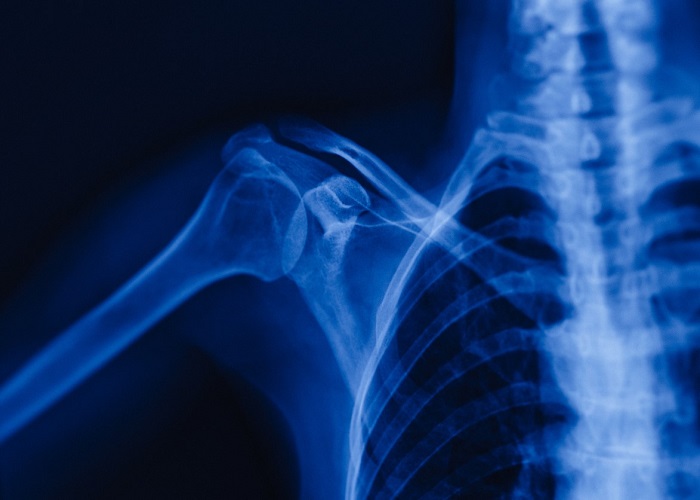
Experts say that shoulder imaging can over-diagnose common problems, and that asymptomatic structural changes in this area are common, especially with ageing, reports Medscape. In fact, conservative care is frequently the prescription, rather than MRIs or aggressive intervention, according to a recent clinical review published in JAMA Internal Medicine.
When a patient arrives at the office of Lauren Simon, MD, MPH, expecting to receive a scan for newly developed shoulder pain, instead, Simon reaches for a pen and begins taking a history.
“In the absence of trauma or red flags, I explain to patients that imaging is not indicated at this time,” said Simon, a professor of family medicine and director of primary care sports medicine at Loma Linda University in California.
“Then we discuss conservative care like analgesics and therapeutic exercises, and perhaps activity modification with a plan to reassess their pain.”
For most cases of shoulder pain that don’t result from a major injury, the better first step is to rule out serious conditions, offer reassurance, manage symptoms, and give the joint time to recover, according to the JAMA clinical review.
“Unwarranted imaging may lead to over-diagnosis, patient anxiety, and over-treatment,” said Rachelle Buchbinder, MBBS, PhD, a rheumatologist and director of the Department of Clinical Epidemiology at Monash University in Melbourne, Australia, who led the JAMA review.
Shoulder pain affects an estimated 16% of adults annually and is the third most common musculoskeletal complaint seen in primary care. But most cases, in primary care, are not caused by a specific injury: the root cause often involves muscles, tendons, or other soft tissues.
“Even if a specific structural problem is identified there is no way really of knowing if these structural changes are the cause of the pain or not,” Buchbinder said. Imaging often detects changes in the shoulder also present in people without pain. And any findings do not necessarily explain a patient’s symptoms.
Buchbinder and her colleagues suggest using the broader term subacromial pain instead of attempting to make a diagnosis of rotator cuff tendinopathy or impingement syndrome, which are commonly inconsistently defined.
Imaging is also not reliable in showing the cause of pain. For instance, rotator cuff tears can occur without symptoms, especially as a person ages, said Dave Pavao, PT, DPT, a spokesperson for the American Physical Therapy Association and clinical officer of Highbar Physical Therapy in Rhode Island, who was not involved in the clinical review.
He suggested clinicians should consider a patient’s health history, symptoms, function, movement, and goals.
When imaging makes sense
Simon first considers red flags that might warrant imaging, like fever, night sweats, unexplained weight loss, a history of cancer, intravenous drug use, and traumatic injury.
Sudden, severe pain accompanied by redness or warmth can signal a septic joint and requires prompt evaluation. Neurologic findings, muscle wasting, or symptoms involving other joints can point to a problem outside the shoulder.
Imaging may be appropriate when clinicians suspect a serious problem, when symptoms fail to improve, or with significant or worsening weakness, Buchbinder said.
When imaging is warranted, an X-ray is generally the starting point. Ultrasound may be appropriate when a closer look at the soft tissues could change treatment.
An MRI is most useful when clinicians already have an idea of what might be wrong and need more information to guide next steps, said Anthony Miniaci, MD, deputy chief medical executive of Baptist Health Orthopaedic Care in Florida and president of the physician group American Shoulder and Elbow Surgeons.
“The MRI is really for confirmation,” Miniaci said. “It’s very important that they go through the steps in the process so that they see whether they’re going to be able to be managed conservatively without surgical management or not
Treatment: less may mean more
For most patients with subacromial pain, initial treatment includes education, reassurance, activity modification, symptom relief, and watchful waiting. But this conservative approach may be difficult to communicate to a patient who wants a diagnosis and an aggressive treatment plan.
Clinicians can start by explaining that shoulder pain is common and usually improves, Buchbinder said. About 95% of patients improve within a year, with many recovering earlier, the review found.
Cortisone injections generally do not alleviate symptoms more quickly. Physical therapy also plays an important role. One study suggested a single physical therapy session providing advice, simple home exercises, and guidance was as effective as a six-session supervised exercise programme by physical therapists.
“Treatment, physical therapy, and recovery can vary considerably, depending on the severity of the problem, a patient’s history, and other health conditions,” Pavao said.
“For some patients, a single PT visit that provides education and an individualised exercise plan may be enough,” he said. Others may benefit from ongoing support as they return to their usual activities.
For most patients, “movement is medicine”, he said. They should continue to keep their shoulder active, even if mild discomfort presents. Progressively worsening pain or significant loss of function, however, should prompt reassessment.
Simon takes a similar approach. When patients need more help with range of motion or specific exercises, she may refer them for a brief course of physical therapy. Otherwise, she often recommends avoiding movements that aggravate the shoulder.
Topical nonsteroidal anti-inflammatory drugs are a reasonable first-line medication option, according to the review. However, oral versions may provide modest short-term benefit and require consideration of potential harms such as interactions with other medications. Opioids are not recommended.
For moderate-to-severe pain, particularly substantial pain at night, a landmark-guided subacromial glucocorticoid injection may provide short-term relief. Hyaluronic acid and platelet-rich plasma injections are not recommended as studies have not demonstrated meaningful benefit over placebo.
Rethinking surgery
Surgery enters the conversation only after a patient has had a six- to 12-week trial of non-surgical treatment and physical therapy, Miniaci said.
“Once the decision for surgery has been made, that’s just the beginning,” Miniaci said, adding that patients still face rehabilitation and recovery after the procedure.
For shoulder pain without a full-thickness rotator cuff tear shown through imaging, subacromial decompression surgery is no longer recommended.
Evidence supporting surgery over non-operative treatment remains uncertain, especially among older adults with smaller degenerative tears, according to the review.
Some conditions, including shoulder osteoarthritis and frozen shoulder, may require different treatment such as pain relief or anti-inflammation injections, Buchbinder said.
But for the patient with a new, non-traumatic sore shoulder sitting in Simon’s exam room, the answer may be much less dramatic.
Her patients receive an examination to make sure nothing serious is missed, a plan for pain management, and a conversation about what to expect.
Sometimes, Simon said, the most useful thing a clinician can offer is reassurance that the shoulder can get better on its own.
“Many of the patients will get resolution of their shoulder pain over time with conservative care,” Simon said.
Study details
Management of Shoulder Pain in Primary Care: A Review
Romi Haas, Thomas Ibounig, Rachelle Buchbinder.
Published in JAMA Internal Medicine on 17 August 2026
Abstract
Importance
Shoulder pain is a common and disabling condition most often managed in primary care. This review provides an evidence-based update on the diagnosis and management of shoulder pain to support clinical decision-making and improve patient outcomes.
Observations
Shoulder pain arises from benign, self-limiting soft-tissue disorders or rare but serious causes. In primary care, most cases are non-traumatic and involve periarticular soft tissues. The subacromial region is the most frequent source of pain, and the term subacromial pain is preferred over overlapping and inconsistently defined labels such as rotator cuff tendinopathy or tear, impingement syndrome, or subacromial bursitis. Less commonly, pain originates from the glenohumeral joint, as in glenohumeral osteoarthritis or adhesive capsulitis. Assessment should focus on a detailed history and physical examination to assess pain patterns and movement limitation and to exclude serious causes, such as infection, malignant neoplasm, or non-shoulder referred pain. Once these are excluded, first-line treatment is similar for most patients and aligns with recommended care for other regional musculoskeletal concerns: education about the favourable natural history, symptom relief and activity modification if needed, and watchful waiting. Early imaging is not indicated in the absence of significant trauma or suspicious features, such as fever, unexplained weight loss, or history of malignant neoplasm, as structural abnormalities often do not correlate with symptoms, rarely alter management, and may lead to over-diagnosis and over-treatment. Specialist referral should be reserved for suspected serious pathology, such as infection, malignant neoplasm, fracture, or dislocation; significant functional or neurologic deficit; features suggestive of systemic inflammatory disease; or persistent or worsening pain and debility. High-certainty evidence indicates that subacromial pain does not benefit from surgical intervention.
Conclusions and Relevance
Shoulder pain is the third most common musculoskeletal presentation in primary care. Although causes vary, the initial management is largely the same once serious conditions have been excluded. Most patients with subacromial pain will fully recover with minimal intervention and can be safely treated with supportive care. Imaging and referral to surgical subspecialists should be reserved for rare and carefully selected cases to avoid unnecessary intervention.
JAMA Internal Medicine article – Management of Shoulder Pain in Primary Care: A Review (Open access)
Medscape article – Why medicine is rethinking treatment of common shoulder pain (Open access)
See more from MedicalBrief archives:
Common shoulder procedure of no benefit – Norwegian study
Expert panel strongly recommends against almost all shoulder pain surgery
SCR surgical technique allows athletes to return to sports