


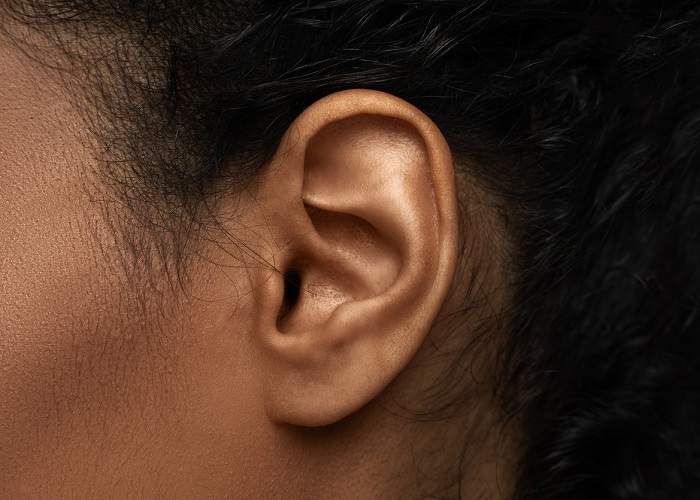
The US Food and Drug Administration has approved the first gene therapy to restore hearing for people who were born deaf – and while the decision only immediately affects those born with a very rare form of genetic deafness, it’s being hailed as a milestone in the quest to treat hearing loss, reports NPR.
“It’s the first time in history there’s a new drug for hearing loss,” said Zheng-Yi Chen, an associate scientist at Mass Eye and Ear in Boston who was not involved in the development of the therapy that was given the nod on Thursday – the day after his research team reported very promising results with a similar approach that was published in Nature.
His was the largest and longest to date to evaluate a gene therapy for hearing loss, and confirmed and extended a smaller study, published two years ago in The Lancet and were consistent with those produced by several other research groups testing similar gene therapies for several forms of genetic deafness.
Regeneron Pharmaceuticals’ is the first of them to win approval from the FDA.
“I think it’s an historical event, a landmark, a great development for the whole field,” Zheng-Yi said of the agency’s green light.
Newborn's failed hearing test
When New York’s Sierra Smith gave birth to her son, Travis, the hospital immediately told her something was wrong.
“The doctors told me he failed his newborn hearing test. But they thought it was just fluid in the ears and that it would be fine in a couple of months,” said Smith.
But he wasn’t. It turned out Travis was born with a rare genetic defect that had left him profoundly deaf.
“He was 100% deaf,” Smith said. “Everything we did – slamming pots and pans together, yelling his name – there was nothing at all.”
Hope for children
But then Smith heard about an experimental treatment that might help her son. Doctors would infuse a virus into her son’s ears carrying a gene for a protein called otoferlin, which Travis was missing, hopefully restoring the ability of his brain to receive signals from his ears.
She jumped at the chance to try it at Columbia University in New York.
“About two and a half to three months after, we were driving in the car and he was sleeping. And I laughed really loud, and he appeared startled for the first time ever. He jumped in his sleep,” Smith said.
“And I looked at my friend and said: ‘Oh my goodness. Did he hear that?’ So we started yelling and making loud noises and sure enough, he started waking up.”
The treatment Smith received was the one just approved by the FDA.
“I’m absolutely thrilled,” said Jonathon Whitton, vice-president for genetic medicines at Regeneron, which developed the gene therapy and plans to offer it free in the US. It should be available within weeks.
“Now, for the first time, we are talking about medicines that actually enable the ear to hear. It’s the beginning of a new era.”
The FDA’s decision was based on the results from the treatment of 20 patients born with a defective version of a gene known as OTOF, which is necessary to transmit sound from the ears to the brain.
How it works
Doctor infused billions of adeno-associated viruses into the patients’ ears by making a small incision behind the ear to open a small hole in the skull.
The viruses carried a healthy version of the OTOF gene that had been split in half to fit inside the virus. The gene provides instructions to make the otoferlin protein, which is necessary for hair cells in the inner ear to transmit sound to the brain.
Most of the patients began to hear for the first time within weeks, with the quality of their hearing improving over the next months, according to Regeneron. The amount of hearing patients gained varied, but 80% achieved at least some significant hearing restoration and 42% ended up with normal hearing, which included the ability to hear whispers.
The hearing ability has lasted at least two years so far.
“These are incredible results for somebody like me who been in this field for a couple of decades. It’s something that I hadn’t imagined, only a few years ago, could be possible,” Whitton said. “What we’ve seen has been quite remarkable.”
The treatment can only help patients with the very rare form of deafness with which Smith was born, which affects only about 50 children each year in America.
But similar gene therapies are showing promise for other forms of genetic deafness. And researchers hope someday gene therapy may help with common types of hearing loss, like from ageing and loud noise.
“Being able to restore natural hearing, I think, is a game changer for our field,” said Dr Lawrence Lustig, who chairs the Department of Otolaryngology-Head & Neck Surgery at Columbia University’s medical school.
NPR article – Gene therapy shows promise for an inherited form of deafness
NPR article – The FDA gives the green light to the first gene therapy for deafness (Open access)
See more from MedicalBrief archives:
Gene therapy restores hearing in children with hereditary deafness
Quicker test being trialled to help prevent permanent deafness in babies
Experimental treatment in Italy restores sight after genetic eye disorder