


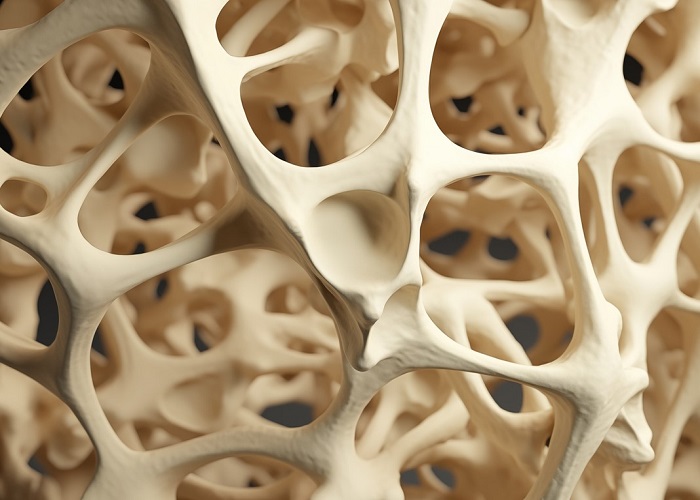
Too many women with osteoporosis who are at high fracture risk are not receiving preventive treatment. Even after experiencing a fracture, less than 15% of patients are prescribed medication for their condition. In an opinion piece for JAMA Network, Susan Ott writes that although the need to treat more patients is not controversial, the strategies to attain this goal are.
Ott writes:
Recently, the US Food and Drug Administration changed a requirement for approval of new osteoporosis medications from a patient-centred end point (clinical fracture) to a surrogate end point (bone density). Clinical trial duration could be reduced to 24 months; the number of participants, from several thousand to several hundred.
This change was promoted by a coalition of pharmaceutical companies and members of the American Society for Bone and Mineral Research in the hope that new medications would be developed and more patients would be treated to prevent osteoporotic fractures.
Although some claim that modifying these standards for drug approval would increase innovation, breakthrough medications depend on scientists who experience that creative spark while trying to explain a discrepancy. The path to discovery is unrelated to the process of drug approval.
The basis of the new requirement was a retrospective study that pooled individual participant data from select randomised clinical trials of drugs for osteoporosis. This careful, time-consuming analysis identified high-strength coefficients of determination (better than most other studies of surrogate end points) and showed the importance of bone density.
However, it omitted a randomised clinical trial of fluoride, which increased spine bone density more than any other drug but was associated with a higher incidence of clinical fractures compared with placebo.
Rather than decreasing clinical trial durations, longer follow-up should be considered, given the challenge to evaluating long-term safety and efficacy. Although bone is normally continually repairing microdamage, the process becomes less efficient with ageing. On average, the trabecular bone turns over after five years, the cortical bone taking approximately twice as long.
Medications that inhibit turnover do not have a major effect in the one- or two-year duration of a clinical trial, but gradually the microdamage accumulates and weakens the bone. Therefore, the risk of atypical femur fractures in patients taking bisphosphonates or denosumab increases with longer duration of use.
On the other hand, several of the newer medications (teriparatide, denosumab, and romosozumab) increase bone density while they are used, but it decreases when they are discontinued.
Moreover, these medications have long-term safety effects on other systems that should be considered. For instance, bone neutralises acid loads, supplying minerals when not absorbed by the gastrointestinal tract and storing proteins in times of energy need. And the cardiovascular system is tied to the skeletal system because the vascular smooth muscle cells may transition to osteoblast phenotypes, secreting collagen matrix, which will calcify and make the vessel wall stiff.
This process especially happens with kidney disease but also with ageing. Osteoporosis frequently co-exists with aortic calcifications and heart failure, and factors that increase bone formation or mineralisation can also increase vascular calcification. Strontium, which increases bone density by dual-energy X-ray absorptiometry because strontium replaces calcium, was approved by European regulatory agencies but, due to increased incidence of cardiovascular disease, has now lost approval.
Cathepsin K inhibitors looked promising as a treatment for osteoporosis, but they increased risk of stroke observed after two years.
Currently, no promising new osteoporosis medications are being developed, so better approaches are needed to deal with the causes of the treatment gap. Many patients, and unfortunately many physicians, still do not rank osteoporosis as a serious problem. Also, patients often have an exaggerated impression of rare adverse effects.
Better patient education and counselling are needed to give accurate assessment of the risks and benefits of medications and ensure appropriate treatment durations to avoid adverse effects.
Osteoporosis medications often carry a high cost, particularly newer therapies, a problem unlikely to be addressed by more approvals.
Finally, there is a shortage of physicians who treat osteoporosis, perhaps related to medication costs, which require physicians in the US to spend hours appealing insurance denials for the new osteoporosis medications.
Meanwhile, treatments that lower fracture risk without increasing bone density should not be ignored. Hip protectors are effective, but (of course) only if they are worn. Thiazide diuretics mildly increase bone density, and a pooled review of cohort studies found a 24% reduction in risk of hip fracture.
Tai chi may reduce fracture risk, but this is not possible to study in a blinded fashion.
The best way to prevent osteoporotic fractures is to prevent the bone loss that occurs during perimenopause. Detailed imaging of the bone in women who did not have osteoporosis before and after menopause shows that bone loss is greatest the year before and year after the last menstrual period.
A four-year randomised trial of women aged 40 to 60 showed a 2.9% loss of bone density at the hip in women receiving placebo, a 1.4% gain with alendronate, and a 3.7% gain with oestrogen.
The large National Institutes of Health-funded Study of Osteoporotic Fractures showed that women who had been taking oestrogen since menopause had lower fracture risk throughout the 11-year study, by which time the average duration of oestrogen use was 35 years.
Oestrogen inhibits osteoclasts, but not as much as bisphosphonates or denosumab, and it supports osteoblast life span, so there is no increased risk of atypical fractures or jaw osteonecrosis. In fact, the Women’s Health Initiative showed fracture reduction in women in the oestrogen groups regardless of age.
However, adverse cardiovascular effects, including risk of stroke, depended on age, with benefit in women within a decade of menopause and harm in older women, leading most physicians to stop treating women with oestrogen.
Recently, transdermal dosing has been shown to be safer, with lower risk of clotting.
Perimenopausal bone loss was also prevented in a recent trial of women aged 50 to 60 with a single dose of zoledronate, which reduced the risk of fractures vs placebo (6.6% vs 11.1%). The resorption markers decreased but gradually increased again, so possibly the bone was able to repair microdamage and avoid the problems with long-term bisphosphonates.
Confirmatory studies in larger populations are needed, but zoledronate may be an option for women for whom oestrogen is not a choice.
This discussion leads to another controversial issue, which is when bone density screening should take place. If screen for osteoporosis does not occur until age 65, it is too late to start oestrogen or to prevent the postmenopausal rapid bone loss. When there is not enough evidence and experts disagree, physicians should be guided by physiologic plausibility, costs, and the individual patient’s preference.
The physiologic effects of oestrogen on the skeleton are known to be beneficial and screening tests are inexpensive. Bone density screening could be offered to women at menopause if they want to know their risk of fracture and if it would help them decide about taking medications.
In sum, we need better choices for osteoporosis medication. The new US FDA requirements could result in more research, but physicians must be aware of the new safety standards. Meanwhile, we can provide more clear and accurate education about the benefits and risks of current medications, especially oestrogen, which is underused and poorly understood.
Susan Ott, MD, Department of Medicine, School of Medicine, University of Washington, USA.
JAMA Network article – Controversies About Osteoporotic Fracture Prevention Strategies (Open access)
See more from MedicalBrief archives:
Osteoporosis drug linked to reduced CVD risk
FDA panel urges removal of warnings on menopause meds
EMAS Guideline on calcium in reducing osteoporosis risk
Osteoporosis treatment may also significantly protect against pneumonia
Why osteoporosis isn’t just a woman’s problem