


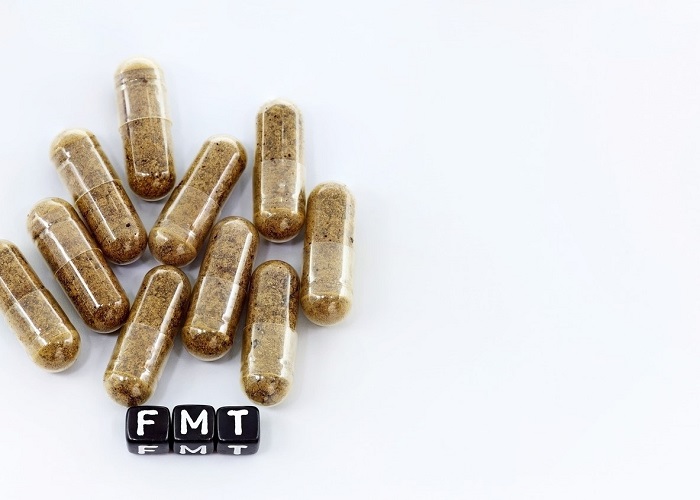
In a small trial, six people who were highly allergic to peanuts can now tolerate the nut after receiving a faecal transplant, reports a recently published study in Science Translational Medicine.
The tria1 of 15 people is the first evidence that faecal transplants – the transfer of gut bacteria harvested from the stool samples of healthy donors – can treat a food allergy according to the study team.
“Up until now, it’s been in mouse models. Now we have people. And that’s exciting,” said Cathryn Nagler, an immunology researcher at the University of Chicago in Illinois.
Before taking part in the study, participants could not eat more than 100mg of peanut protein, which is found in less than half a peanut, without developing an immune reaction.
Four months after the transplant, one person could consume 300mg of peanut protein and five people could eat 600mg or more, the equivalent of about two and a half peanuts. “Seeing any kind of efficacy in people is remarkable,” added Nagler.
Treatments for food allergies are limited and the standard advice is for people to avoid the allergen and to carry an adrenaline injection to administer if they are exposed to it and develop an immune reaction.
Physicians said that the sustained effect seen in some of the trial participants was important.
“The potential of this type of therapy to have a lasting benefit is really, really exciting,” said Edwin Kim, an allergist at the University of North Carolina at Chapel Hill. “That’s been a struggle that we’ve had with the current other therapies. The benefit wanes and requires continued treatment, continued exposure, to maintain.”
Early clues
Some research has linked food allergies with low levels of certain gut bacteria. Research in mice has also showed that treating the animals with groups of several gut bacteria species kept food allergies in check.
This has led researchers to suggest that faecal transplants from people who do not have food allergies, which contain a broad range of gut bacteria, might dampen the immune system in people with an allergy.
In the new trial, researchers gave participants an odourless and tasteless pill containing gut bacteria from healthy volunteers without a peanut allergy. Most participants received 36 pills in a single day, which did not trigger severe side effects. Five of the participants also received antibiotics for four days before the transplant.
The authors suggest that the bacteria might not have become established in the nine people who didn’t respond to the treatment, possibly because of gender-related differences (five of the six people who responded were men), because the bacteria were delivered on a single day or because most of the people who didn’t respond also didn’t receive antibiotics before the treatment.
The researchers also transplanted gut bacteria from participants’ stool samples into mice and found that bacteria from people who responded to treatment also protected mice from developing allergies to an egg protein. By contrast, mice that received bacteria from people who remained highly sensitive developed allergies to egg protein.
Because the mouse studies tested a different allergen, the faecal transplant treatment is likely to work for more than just peanut allergies, said study co-author Talal Chatila, an immunologist at Harvard Medical School.
The team identified a species of bacterium, Bacteroides ovatus, that offered mice protection from developing an allergy. Identifying a specific bacterium that can make the immune system less reactive “is the holy grail of food allergy”, said Chatila.
But researchers stress that transplanting gut bacteria to treat food allergies is a long way from being used in the clinic.
With sufficient fundraising, venture-capital involvement and enthusiasm, “it would take about ten years” for the bacteria to be approved by regulators, noted Alexander Khoruts, a gastroenterologist at the University of Minnesota in Minneapolis, who is now collaborating with the team behind the small trial.
The authors are close to finishing enrolment for a second, larger trial, which they hope will provide more clues to which other bacteria have a positive effect and who the bacteria cocktail is likely to help. This trial will give participants a larger dose of the gut bacteria – about 12 times as much – spread out over a month.
“What we’re hoping for is that the microbiome modulation can lead to a point where you will not need your EpiPen anymore, and you’ll be able to eat some amount of peanut,” said study co-author Rima Rachid, an immunologist at Harvard Medical School.
Study details
Faecal microbiome transplant in food allergy in humans and mice identifies a role for bile acid metabolites in oral tolerance
Rima Rachid, Monica Martinez-Blanco, Gavin Kuziel et al.
Published in Science Translational Medicine on 5 August 2026
Abstract
The gut microbiome has been implicated in the pathogenesis of food allergy (FA), prompting microbiome-focused interventions. We evaluated, in a phase 1 open-label trial (NCT02960074), the safety and efficacy of oral encapsulated faecal microbiome transplantation (FMT) in 15 adults with peanut allergies. An increase in the peanut reactivity threshold was noted in 3 of 10 participants not pretreated with antibiotics and 3 of 5 participants pretreated with antibiotics, without safety issues. In responders, FMT increased tolerogenic RORγt+ regulatory T cells (Treg cells) and decreased T helper 2 cells (TH2 cells). Mice transplanted with the microbiomes of post-FMT responders were protected from FA in association with increased RORγt+ Treg cell percentages and increased colonization with members of the gut Bacteroides. In both humans and mice, protection by FMT was associated with increased bile acid metabolites. Deletion of a bile salt hydrolase in a candidate protective Bacteroides abrogated FA suppression in mice. These results suggest that FMT is a safe and potentially promising therapeutic modality for treating FA
See more from MedicalBrief archives:
Peanut allergies can be reversed – study
Peanut allergy controlled in UK trial – with daily peanuts
FDA issues ‘serious risk’ alert on on faecal transplants