


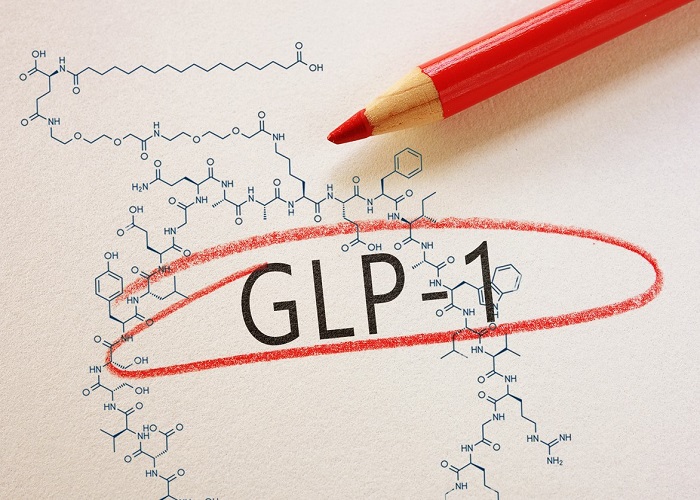
The World Health Organisation has just released its first guideline on the use of Glucagon-Like Peptide-1 (GLP-1) therapies for treating obesity as a chronic, relapsing disease.
Obesity affects more than 1bn people in every country and was associated with 3.7m deaths last year: the number of obese people is projected to double by 2030.
In September 2025, WHO added GLP-1 therapies to its Essential Medicines List for managing type 2 diabetes in high-risk groups.
With the new guideline, it issues conditional recommendations for using these therapies to help obese people overcome this serious health challenge.
“Our guidance recognises that obesity is a chronic disease that can be treated with comprehensive and lifelong care,” said Dr Tedros Adhanom Ghebreyesus, WHO Director-General, “and while medication alone won’t solve this crisis, GLP-1 therapies can help millions of people overcome obesity and reduce its associated harms.”
Landmark policy change
The new guidance contains two key conditional recommendations:
• GLP-1 therapies may be used by adults, but excluding pregnant women, for the long-term treatment of obesity. While the efficacy of these therapies in treating obesity and improving metabolic and other outcomes was evident, the recommendation is conditional due to limited data on their long-term efficacy and safety, maintenance and discontinuation, their current costs, inadequate health-system preparedness and potential equity implications.
• Intensive behavioural interventions, including structured interventions involving healthy diet and physical activity, may be offered to obese adults prescribed GLP-1 therapies. This is based on low-certainty evidence suggesting it may enhance treatment outcomes.
Medication alone won’t do it
While GLP-1 therapies represent the first efficacious treatment option, the WHO guideline emphasises that obesity is not only an individual concern but also a societal challenge that requires multi-sectoral action.
Addressing obesity requires a fundamental reorientation of current approaches to a comprehensive strategy built with three pillars:
• Creating healthier environments through robust population-level policies to promote health and prevent obesity;
• Protecting individuals at high risk of developing obesity and related comorbidities through targeted screening and structured early interventions; and
• Ensuring access to lifelong, person-centred care.
The guideline emphasises the importance of fair access to GLP-1 therapies and preparing health systems for use of these medicines. Without deliberate policies, access to these therapies could exacerbate existing health disparities.
WHO has called for urgent action on manufacturing, affordability and system readiness to meet global needs.
Even with rapid expansion in production, GLP-1 therapies are projected to reach fewer than 10% of those who could benefit by 2030. The guideline calls on the global community to consider strategies to expand access, such as pooled procurement, tiered pricing and voluntary licensing among others.
Key deliverable
WHO developed the guideline in response to requests from its member states looking to address the challenges posed by obesity, it said. The process to develop the guideline involved extensive analysis of available evidence, and consultation with a range of stakeholders, and is a key deliverable under the WHO acceleration plan to stop obesity and will be updated regularly as new evidence emerges.
During 2026, the agency will work closely with stakeholders to encourage development of a transparent and equitable prioritisation framework to ensure those with the highest need are reached first.
Safety first
Meanwhile, Australia’s Department of Health, Disability and Ageing has updated the product warnings for GLP-1 and dual GIP/GLP-1 receptor agonists for two separate safety issues, one being the potential risk of suicidal thoughts, and the other linked to contraception.
Medicines in the GLP-1 RA class currently marketed in Australia are:
• Ozempic (semaglutide)
• Wegovy (semaglutide)
• Saxenda (liraglutide)
• Trulicity (dulaglutide)
• Mounjaro (tirzepatide)
Risk of suicidal thoughts
Product warnings have been aligned to ensure consistent information regarding the potential risk of suicidal thoughts or behaviours, the update coming on the heels of investigations by other international regulators.
Patients taking any of these medicines should tell their health professional if they experience new or worsening depression, suicidal thoughts or any unusual changes in mood or behaviour, says the authority.
Mounjaro (tirzepatide) and contraception
The Ministry said its investigation into the potential for reduced effectiveness of oral contraception when first taking or increasing the dose of Mounjaro (tirzepatide) has found that this association could not be ruled out.
As a precautionary measure, product warnings for tirzepatide have been updated to include further advice for patients using oral contraceptives.
Patients taking tirzepatide are advised to switch to a non-oral contraceptive or add a barrier method of contraception for four weeks after first taking the medicine and for fouor weeks after each increase in the dose.
It reminded patients that none of the GLP-1 RAs should be used during pregnancy and individuals of childbearing potential are advised to use effective contraception during treatment with a GLP-1 RA.
Australian Department of Health, Disability & Ageing article (Open access)
See more from MedicalBrief archives:
GLP-1 receptor agonists not linked to suicide – UK cohort study
Weight-loss shots linked to unexpected pregnancies
FDA scrutiny for weight-loss drugs over suicidal thoughts
WHO warning about weight-loss drugs as obesity guidelines amended