


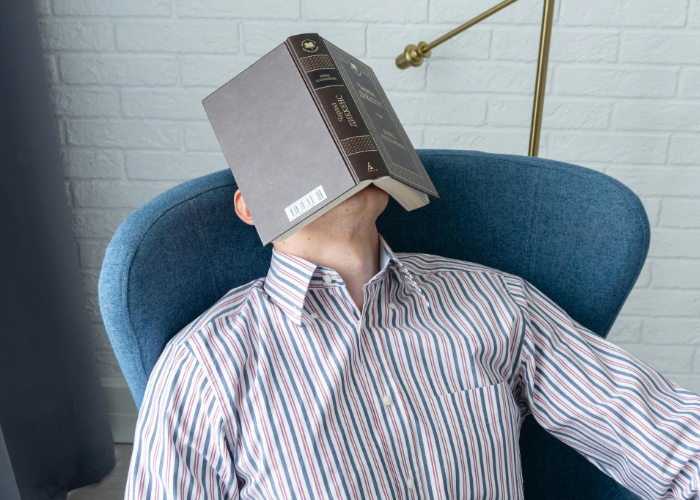
Sitting isn’t exactly the “new smoking,” but it still isn’t a healthy habit and should be avoided where possible, say experts, warning that when sedentary behaviour becomes a regular habit, it’s also tied to a higher risk of various diseases, including cancer, reports The Washington Post.
“I started talking about this 10 years ago, and it’s only got worse,” said Keith Diaz, the Florence Irving Associate Professor of Behavioural Medicine at Columbia University Medical Centre, who has researched the health effects of sitting too much.
Over the years, various studies have linked too much sitting with shorter lifespans, including higher rates of death from heart disease and from any cause. How much sitting is “too much” can vary by study, but generally it looks like more than eight to 10 hours per day.
Sitting for 10 hours a day once in a while isn’t the end of the world. Rather, researchers look at sedentary behaviour over the course of years and its association with higher risk of cancer, type 2 diabetes, osteoporosis, depression and cognitive impairment.
A February 2024 study in the Journal of the American Heart Association (JAHA) of nearly 6 000 older women found that those who spent more than 11 hours sitting per day had a 57% higher risk of death from any cause during the 10-year study period and a 78% higher risk of dying from heart disease than women who sat for fewer than nine hours per day.
Women who sat the most during the day and had the longest bouts of uninterrupted sitting had the highest chances of dying.
This study and others point to two main hypotheses underlying this association between sitting and negative health outcomes.
“The first is that when we sit, our muscles are not working and are not taking up glucose, which can negatively affect our metabolism,” said Steve Nguyen, Assistant Professor in residence at the Herbert Wertheim School of Public Health and Human Longevity Science at the University of California-San Diego and lead author of the JAHA study.
“What we’re learning is that our muscles are really important for regulating blood sugar and triglycerides, or fats in our blood,” Diaz added. “For muscles to do that well, they need regular contraction, which they don’t get when you’re sedentary.”
The second has to do with blood vessels. When we sit, the bend in our legs is like a kink in a hose that can affect blood flow, Diaz said. Over time, that can contribute to blood vessels becoming stiffer, a risk factor for heart disease and stroke.
People who sit a lot are also more likely to report having back and neck pain. While more research is needed, this could be due to how sedentary time affects posture.
“Sitting results in muscle inactivation, and that could lead to lower muscle strength,” Nyugen said. Lower muscle strength makes us more likely to slouch, which can, over time, contribute to musculoskeletal imbalances and pain.”
The phrase “sitting is the new smoking” is attributed to a Mayo Clinic Professor of Medicine and the inventor of the treadmill desk. But that’s not actually true.
When one meta-analysis tried to quantify just how bad sitting is compared with smoking, smoking was still worse. Per 100 000 people, 190 might die each year because of the health effects of sitting, while 2 000 would die because of heavy smoking.
How to combat the effects of sitting
So what can you do if you sit too much? The answer is simple in theory and harder in practise for most people: if you have healthy joints and muscles and no reason you can’t move more, then just don’t sit all day.
If your job is sedentary, make sure your weekend isn’t
Some sitting is probably unavoidable, especially if your work requires it. So look for opportunities to move more when you’re not at your job, and try not to spend all of your downtime being sedentary, too.
Start exercising regularly if you don’t already
Exercise alone doesn’t seem to completely negate the harmful effects of sitting, but it can help. “Even if you exercise, how much sitting you do can still influence your disease risk,” Diaz said. “But if you didn't exercise, you’d be far worse off.”
And a little bit goes a long way. Swopping 30 minutes of sitting for 30 minutes of light activity was associated with a 17% lower risk of death in a 2019 study of adults over 45 that Diaz co-authored. And if those 30 minutes of activity were moderate to vigorous, risk of death decreased by 35%.
Change your position frequently
The fix for sitting all day isn’t necessarily standing all day. Standing too long can lead to back pain and still cause blood to pool in your legs, but it can be a helpful way to interrupt longer periods of sitting, Diaz said.
“The goal here is: don’t sit all day, don’t stand all day, don’t move all day,” Diaz said. “It’s really just about doing everything in moderation and avoiding doing one thing for long periods.”
If it’s available and appropriate, consider an adjustable standing desk that allows you to sit or stand while you work. These devices reduce sedentary time and have also been linked to improvements in back and neck pain, productivity and feelings of engagement at work, according to a 2021 study.
Schedule regular movement breaks
Break for movement regularly. In a small 2023 study Diaz co-authored, taking a five-minute activity break every 30 minutes that you’re sitting resulted in improvements in blood pressure and blood sugar management compared with people who didn’t get up and move at all.
Even taking less-frequent breaks is still a good idea. “What we were reassured with is that if you move every hour for five minutes, it didn’t help as much with blood sugar, but it helped with blood pressure, and it helped with people’s mood and their feelings of fatigue, which are two of the hidden costs of our sedentary lives,” Diaz said.
He suggested a quick walk around the office, or simple exercises like calf raises or squats; you could also climb some stairs or even just march in place until you have to sit again.
To make this easier to actually do, think about where you can add in movement throughout your day tied to habits you already have, Diaz said – a popular concept known as habit-stacking. This might be taking a short walk after every time you finish a work call, instead of diving into another project or checking your email, he said.
You can also try scheduling movement in your calendar, setting an alarm on your phone to remind you to move more, or wearing a fitness tracker that regularly nudges you.
“While it’s very important to move around throughout the day, movement and exercise are not a free pass,” Nguyen said. “We should still work on reducing our sitting where we reasonably can.”
See more from MedicalBrief archives:
Sitting eight hours a day linked to increased health risks – Latin American study
Sitting for hours can increase CVD risk, hasten death – cohort study