

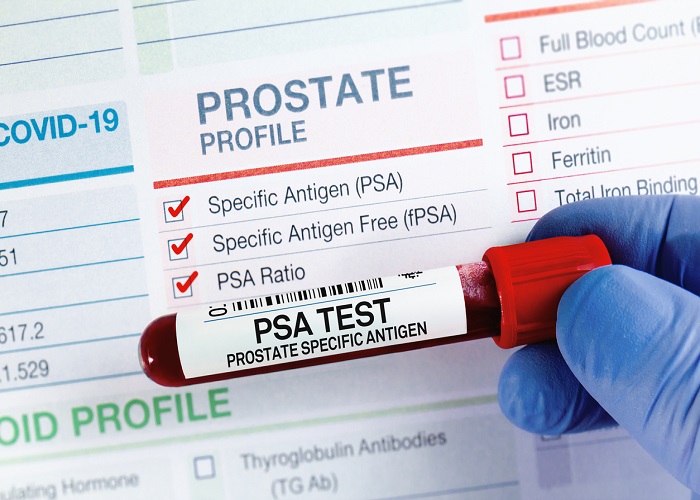
The American Cancer Society (ACS) now advises prostate cancer screening with PSA tests every two years for average-risk men aged 50 to 69, and even earlier – at 45 – for black men, reports MedPage Today.
Since the release of its previous guideline 16 years ago, the ACS had recommended that average-risk men consult a physician before deciding for themselves whether to undergo screening with prostate-specific antigen (PSA).
The updated ACS recommendations have also strengthened guidelines for men at high risk for prostate cancer, recommending annual screening beginning at 45 for black men and those with a strong family history of the disease. The organisation previously recommended that those men discuss the pros and cons of screening with a physician at 40 or 45.
The changes reflect the accumulation of stronger evidence that screening PSA tests reduce prostate cancer mortality and diagnosis of late-stage disease, according to the updated guidelines from Robert Smith, PhD, ACS senior vice president for early cancer detection science, and colleagues, appearing in CA: A Cancer Journal for Clinicians.
“We’ve just reached a point in our understanding of prostate cancer, especially that screening can reduce the risk of being diagnosed with metastatic disease and dying of prostate cancer,” Smith said. ”We have good protocols for avoiding harms.”
Smith noted that the US Preventive Services Task Force (USPSTF) has not updated its prostate cancer screening guidelines since 2018. For average-risk men, the USPSTF recommends discussion-backed decisions on PSA testing for men aged 55 to 69.
“I cannot tell you what [their recommendations] would be if they updated them today, but they did not have the data in 2018 that we had in 2025, with the update of the European trial data showing the endurance of the mortality reduction,” he added.
The update aligns with recent evidence supporting PSA screening for prostate cancer as “one of the most important steps men can take to protect their health”, said Ash Tewari, MD, of the Icahn School of Medicine at Mount Sinai in New York City.
“We have strong evidence that PSA testing can reduce the risk of dying from prostate cancer, and advances in MRI and other diagnostic tools are helping us identify potentially dangerous cancers while avoiding unnecessary procedures,” he said. “Knowing your risk, getting screened regularly, and having these conversations early can save lives.”
With the update, the ACS takes a clear position on prostate cancer screening, said Mark Ashamalla, MD, of Episcopal Health Services in New York City.
“For years, the ACS largely focused on encouraging men to discuss the pros and cons of PSA screening with their doctors,"” he said.
“Now they’re taking a much clearer position and actually recommending regular screening. For men at average risk, that means a PSA blood test every two years between 50 and 69, while black men and those with a strong family history should begin annual screening at 45.
“This is a significant shift and reflects growing evidence that regular screening can reduce the risk of advanced prostate cancer and save lives.”
The goal isn’t to find and treat every prostate cancer, he added. “It’s to catch the dangerous ones early enough to make a difference. I think that’s the biggest takeaway from these new guidelines.”
The ACS also recommends:
• Screening every two years from 45 to 69 for non-black men with a first-degree relative with a prostate cancer diagnosis at age 65 or older
• Individualised decision-making about continued screening for men 70 to 74, who have an uncertain balance of risks and benefits
• Repeat PSA testing within two weeks to three months for men with elevated PSA levels (≥3.0 ng/mL for men 45 to 69 and ≥6.5 ng/mL for men 70 to 74)
• Clinicians should offer MRI and/or validated biomarker testing to guide biopsy decisions in men with confirmed elevated PSA levels
• Screening is not recommended for men 75 and up, but some men aged 75 to 79 who are healthy and want to continue screening, especially with rising PSA, should discuss screening with a clinician
• Men 80 and up should not be screened, as well as men who have a life expectancy of less than 10 years
The updated guidelines are supportive of the recent trend towards active surveillance as the primary option for men with low-risk prostate cancer.
“It’s important to recognise that prostate cancer screening has evolved over the past 30 years,” said Smith.
“More and more people appreciate that very worrisome harms associated with therapy can be avoided, especially if a man is diagnosed with prostate cancer that is not aggressive. Active treatment should be avoided until …it appears that the disease has become aggressive.
Some men may be diagnosed with a prostate cancer that’s not very aggressive, and they will live with it in that state for the rest of their lives. (They can) avoid harms that are quite diminishing to quality of life.
“On the other hand, if a man’s prostate cancer becomes more aggressive, and treatment is necessary, then … active surveillance will at least have postponed it for a number of years, allowing them to not have to live with those [treatment-related] side effects.”
MedPage Today article – Major Change to Prostate Cancer Screening Guidelines (Open access)
See more from MedicalBrief archives:
New prostate cancer risk gene identified – US study
Genetics put African men most at risk of prostate cancer
Prostate cancer risk higher for black men – US study
UK committee wants restrictions on prostate cancer screening