


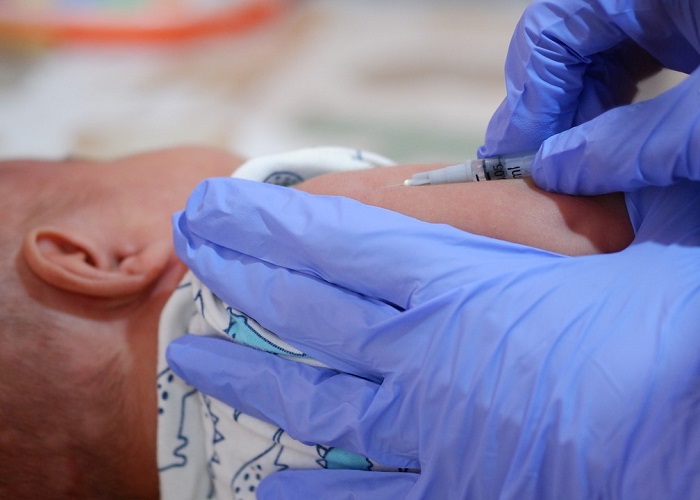
South Africa bears a significant burden of hepatitis B virus (HBV) infection, and a notable prevalence of hepatitis B surface antigen (HBsAg) among pregnant women – and the National Department of Health’s recommended response has been to target birth-dose vaccination for infants born to HBsAg-positive mothers.
However, argue TG Maponga, MI Andersson and W Preiser in the SA Medical Journal, while antenatal HBsAg screening to identify infected pregnant women is commendable, a universal HBV birth-dose vaccination strategy would be a simpler, more equitable and more effective approach to preventing vertical transmission and slashing the overall HBV burden in SA.
Maponga, Andersson and Preiser write:
An estimated 3.9m people had hepatitis B virus (HBV) infection in South Africa in 2023. Without timely interventions, chronic HBV infection can progress to serious complications like liver cirrhosis and hepatocellular carcinoma, contributing substantially to liver-related morbidity and mortality, calculated to be ~26 000 annually (three deaths per hour).
Modelling studies have suggested that SA remains at intermediate to high prevalence of HBV surface antigen (HBsAg) carriage of 6%.
This is despite the inclusion of the HBV vaccine in the country’s routine immunisation schedule since 1995. HBV-containing vaccines are administered routinely to infants at six, 10 and 14-weeks-old, the timing based on historical data suggesting horizontal transmission among children <5 years of age, rather than vertical transmission, was responsible for most chronic HBV infections.
This has since been proven to be erroneous; a significant proportion of pregnant women have highly replicative chronic HBV infection at high risk of perinatal transmission.
Ideally, these women should receive antiviral treatment to lower their HBV viral loads, and their infants should receive active and passive HBV immunisation at birth.
Current HBV infant vaccination practice
For prevention of mother-to-child transmission of HBV, the WHO recommends a monovalent HBV vaccine for the infant administered within 24 hours of birth, followed by a further two or three doses of HBV-containing vaccine at least four weeks apart.
Passive immunisation with HBV immunoglobulin reduces the risk of transmission for infants at high risk of vertical HBV infection, but supply is limited and cost high. The first SA National Guidelines for the Management of Viral Hepatitis, published in 2019, recommended HBV monovalent birth-dose vaccine.
These guidelines were never implemented; instead, a policy document of 2023 advises a targeted approach, vaccinating only babies born to HBV-infected mothers.
The policy also recommends vaccinating mothers who are HBsAg negative.
HBV among pregnant women in South Africa
A recent publication by Moonsamy et al on the seroprevalence of HBsAg among pregnant women included in the 2017 SA antenatal HIV sentinel survey raises concern on the trajectory of SA toward the elimination of hepatitis B as a public health concern.
Testing serum samples from 1 942 HIV-uninfected and 2 312 HIV-infected pregnant women, the study found an HBsAg seroprevalence of 11% across all provinces, higher than previously documented among pregnant women in SA.
Notably, HBsAg prevalence was higher among HIV-infected pregnant women than their HIV-uninfected counterparts.
Furthermore, the HBsAg seroprevalence of 8.8% reported by Moonsamy et al among individuals aged 15-19 suggests significant gaps in vaccine delivery, possibly due to incomplete vaccination coverage or a failure to prevent vertical transmission.
HBV treatment in pregnancy
Antiviral therapy in pregnancy can reduce the risk of transmission in women with high HBV viral loads.
Antenatal HBsAg screening coupled with tenofovir-disoproxil-fumarate treatment is an effective strategy, and recommended by the WHO.
Globally, however, only an estimated 5% of pregnant women with hepatitis B receive antiviral treatment. Antiretroviral therapy (ART) including tenofovir disoproxil fumarate will reduce transmission risk in HBV/HIV co-infected mothers.
According to the 2019 Antenatal HIV Sentinel Survey, 96% of HIV-infected pregnant women attending public antenatal care clinics were receiving ART, but only 66% of them had suppressed HIV.
This raises concerns about the likelihood of HBV suppression in co-infected women. Previous reports of HBV-HIV co-infected pregnant women in SA have described increased HBV e-antigen (HBeAg) prevalence and HBV DNA loads compared with HBV-mono-infected women, with the majority having no evidence of ART, and therefore at increased risk of transmitting HBV to their infants.
Given SA’s tremendous progress with antenatal HIV screening and treatment in preventing mother-to-child-transmission of HIV, implementing a similar approach for HBV elimination should be feasible.
More than 99% of pregnant women are tested for HIV using rapid diagnostic tests. Quality-assured rapid diagnostic tests to test for HBsAg are available and have already been evaluated in SA. It is feasible to screen pregnant women for HBV within the antenatal clinic, and then link infected them to care, and screen and vaccinate close contacts.
Learning from successful infant HBV prevention programmes
Taiwan has shown how it is possible to reduce the prevalence of hepatitis B among infants, as envisaged in the WHO 2030 goals.
In addition to being the first country in the world to implement infant birth-dose HBV vaccination, Taiwan has, since November 2014, implemented antenatal HBsAg screening.
Taiwan has achieved a reduction of HBsAg prevalence among pregnant women from 8% among those born in the pre-vaccination period to 1.1% among those born after 1997. The country also met the WHO targets to reduce HBV prevalence among those <5 years old in 2022 to <0.1%, well ahead of the 2030 goals.
In contrast, HBsAg prevalence in SA children ≤5 years old is 1%. These results suggest ongoing mother-to-child transmission of HBV. Within the Southern African Development Community region, Namibia implemented universal HBV birth-dose vaccination in 2015, while 32 more African countries are set to roll out universal HBV birth-dose vaccination with support from Gavi, the Vaccine Alliance.
In contrast, SA, one of the early adopters of routine infant HBV vaccination in the Expanded Programme on Immunisation schedule within Africa, is falling behind.
The way forward
Universal birth dose vaccine must be the cornerstone of the strategy to address the problem of HBV in SA. All newborns are given Bacillus Calmette-Guérin and oral polio vaccine, so adding HBV is simple to implement, especially since >95% of births in SA take place within healthcare facilities.
A universal birth-dose approach avoids many of the challenges associated with a targeted strategy. It ensures equity and avoids the stigmatisation of HBsAg-positive women, addresses early horizontal transmission within the household, avoids the problem of missing HBV screening results and complies with WHO guidance.
The cost benefit of universal birth-dose vaccine has been established and adopted by Gavi. It has averted more deaths than other candidates, such as respiratory syncytial virus (RSV) or meningococcal vaccine, or even diphtheria, tetanus, and pertussis (DTP) boosters.
Vaccinating HBsAg-negative pregnant women would be beneficial, but with limited resources, the benefit of vaccinating their infants at birth would be far greater. There is an urgent need for a coherent and comprehensive policy to address the problem of HBV in SA.
This should include point-of-care maternal screening and follow-up of contacts, treatment and linkage to care of infectious mothers and universal birth-dose vaccination.
We urge policy-makers and public health experts to act now to eliminate HBV as a public health problem in SA.
T G Maponga,1 PhD; M I Andersson,2 FRCPath, MD; W Preiser,1 D Med, D Med Habil
1 Division of Medical Virology, Department of Pathology, Faculty of Medicine and Health Sciences, Stellenbosch University and National Health Laboratory Service, Tygerberg Business Unit, Cape Town;
2 Department of Microbiology, Oxford University Hospitals NHS Foundation Trust, Oxford, UK, and Nuffield Division of Clinical Laboratory Sciences, Radcliffe Department of Medicine, University of Oxford.
See more from MedicalBrief archives:
The stealth and tragedy of hepatitis B in South Africa
New vaccines offer hope for Hepatitis B treatment in SA
Experts call for hepatitis B birth-dose vaccine
World Hepatitis Summit urges elimination of viral hepatitis as paediatric cases rise