


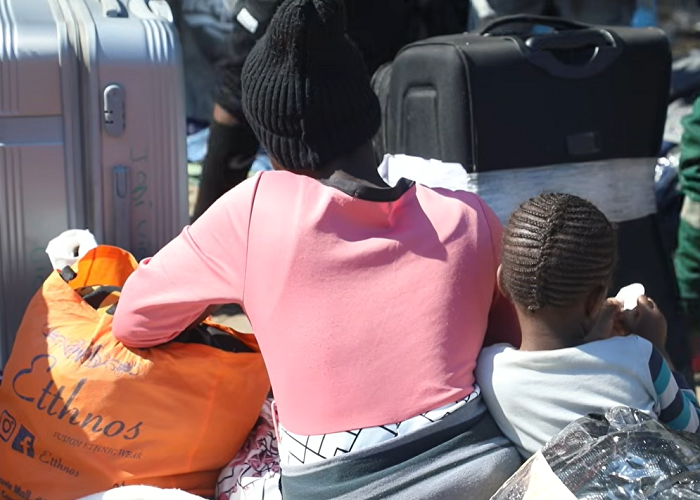
As protests against undocumented foreigners spread across SA on Tuesday, and thousands of foreigners were forced to flee the country, a group of more than 400 public health professionals joined forces to call on health workers to support and protect the rights of refugees and migrants. In a detailed statement, they slammed xenophobia and urged anti-immigrant groups to rather look at corruption and state failure as triggers for the country’s health system challenges.
The doctors also urged South Africans to stop blaming foreigners for unemployment and imploding public services, saying there is absolutely no available evidence that migrants place a disproportionate burden on public health facilities.
In the same vein, the South African Medical Association (SAMA) said while it recognises the frustration of communities depending on overcrowded clinics and hospitals, healthcare workers must be allowed to provide care to patients without fear or interference, and no one should be threatened, intimidated or denied their dignity on the basis of their nationality or immigration status.
“In fact, Médecins Sans Frontières research and national Department of Health data actually suggest that migrants – particularly undocumented migrants – actively avoid health facilities from fear of arrest or deportation. They are more likely to delay seeking care than to overuse it,” the doctors said in their statement.
They have called for government action to protect refugees and migrants from violence, intimidation and harassment; for visible enforcement of existing court orders and the law; and for action to deal with the misinformation about refugees and migrants, including accurate data about healthcare burden and economic impact.
They said growing anger and frustration with unemployment, poor service delivery and a sense of abandonment by the government, was being channelled towards migrants and refugees, driven by this misinformation.
With unemployment hovering above 40%, and most municipalities being in financial distress or in outright collapse, communities are feeling unsafe, unserved and abandoned by institutions meant to serve them, the doctors said.
The cause of this crisis, however, is not foreign nationals but instead lies in state failure, corruption and compounding inequality, with much of the hostility directed at migrants being driven by misinformation that goes unchallenged.
And when false claims about migrants burdening hospitals or draining grants circulate unchallenged, they create conditions for xenophobic groups to block access to health facilities for these groups – as well as anyone perceived as an “outsider” – including some South Africans.
This is in direct violation of constitutional rights and inconsistent with the November 2025 Gauteng High Court ruling requiring state authorities to protect safe and unhindered access to public healthcare facilities, the interdict granted in Kopanang Africa Against Xenophobia v Operation Dudula, and the government’s stated position on healthcare access.
But departments of health nationally and provincially have largely failed to develop clear, enforceable policies in response.
The South African Medical Association (SAMA) said while it recognises the frustration of communities depending on overcrowded clinics and hospitals, healthcare workers must be allowed to provide care to patients without fear or interference, and no one should be threatened, intimidated or denied their dignity on the basis of their nationality or immigration status.
The country’s laws provide for free healthcare to all pregnant women and children under five, regardless of their nationality or immigration status. Foreign nationals with asylum permits, refugee status or a temporary residence permit, as well as undocumented migrants from Southern African Development Community (SADC) nations are charged the same means-tested fees as citizens for hospital services.
While patients from non-SADC countries are eligible for higher fees, this is not always enforced, and SAMA acknowledged that the pressure on the healthcare system was undeniable.
However, it pointed out, this was in fact due to years of underinvestment, critical shortages of healthcare professionals and ageing infrastructure, reports Business Day.
“While undocumented migration may contribute to the pressure experienced in some communities, it is neither the sole nor the primary cause of the crisis,” the health professionals reiterated.
Denying access to healthcare services had potentially serious public health consequences.
“Communicable diseases do not recognise nationality or immigration status. Delayed diagnosis and treatment increase the risk of disease transmission, placing entire communities at greater risk and undermining efforts to protect public health.”
SAMA is calling for various urgent commitments to be prioritised, including the immediate development and implementation of clear healthcare access policies in all national and provincial health departments, and for healthcare workers to be supported and trained to apply these policies without fear.
It also wants sensitive and dignified treatment of all refugees and migrants, whether documented or undocumented, and calls for fair and equitable access to healthcare for all migrants and refugees, in line with constitutional rights, court findings and South Africa’s international obligations.
Business Day article – Doctors call for extra security (Restricted access)
See more from MedicalBrief archives:
No evidence migrants causing hospital overcrowding – SAHRC
Activists deny migrants access to hospitals and clinics
Clinic turns away pregnant Zimbabwean teenager
‘Landmark’ ruling confirms free healthcare right for all pregnant women, children