


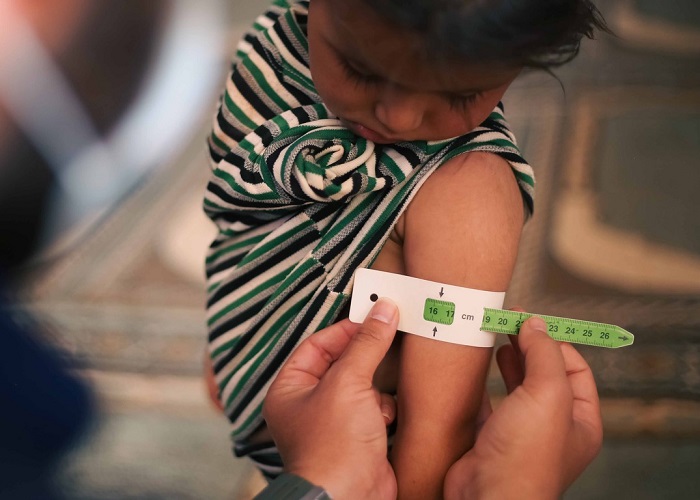
Thousands of South African children are suffering from severe acute malnutrition (SAM), say concerned experts, calling for urgent review of data quality and reporting systems.
Targeted interventions addressing both clinical risk factors and systemic gaps are essential to reduce mortality and improve outcomes, write D Fakuze and H Saloojee in the SA Medical Journal, after their study of cases in the Vhembe district found the provincial case fatality rate was three times the national target.
In 2014, the SA Child Healthcare Problem Identification Programme (Child PIP) reported that one-third of hospital child deaths were associated with SAM, improving to 24% by 2019. The national SAM in-hospital case fatality rate (CFR) dropped from 8.9% in 2015-2016 to 7.1% in 2018-2019.
However, Limpopo Province, particularly the rural Vhembe district, consistently had higher SAM CFRs (e.g, 13% in 2016), comparable with less-resourced settings in Ethiopia, Uganda and Malawi.
In 2019, one-quarter of child deaths in South African hospitals were attributed to SAM.
This study aimed to identify demographic, clinical, case management and health system factors contributing to mortality in children aged <5 years with SAM admitted to three hospitals in the district.
Retrospective
The researchers conducted a retrospective record review for children aged six to 59 months admitted with SAM over a 30-month period, identifying 245 children with SAM, with a median (interquartile range) age of 14 (10-18) months.
The overall SAM case-fatality rate was 26.9% (66/245), significantly higher than routine data estimates. Key clinical factors associated with mortality included diarrhoea at presentation (odds ratio (OR) 3.34, 95% confidence interval (CI) 1.38 – 8.10), anaemia (OR 3.30, 95% CI 1.28 – 8.50), raised C-reactive protein (OR 9.29, 95% CI 2.81 – 30.76) and hyponatraemia (OR 6.64, 95% CI 2.70 – 16.31).
Additional contributors included late presentation, self-referral, limited triage, poor recognition and management of comorbidities and inadequate compliance with SAM guidelines. HIV status and shock were not significant determinants of mortality.
The team found that SAM mortality was alarmingly high, particularly in the context of a high middle-income country setting with established treatment protocols.
In 2022, SAM affected ~14 000 children aged <5 years in SA, with >1 400 dying in 2023 and 2024. Globally and in SA, SAM hospital mortality rates vary significantly owing to socio-demographic and health system factors, delayed referrals, illness severity, comorbid conditions like diarrhoea and HIV, and substandard case management.
While various African studies have explored SAM mortality in hospitals, few focus on SA, a relatively better-resourced country. Understanding factors associated with mortality among severely malnourished children is crucial for improving survival and care quality.
This study aimed to identify the demographic, clinical and health system factors contributing to SAM mortality in children aged six months to five years in the three Vhembe hospitals.
Study setting
In this predominantly rural area, the three hospitals selected were Tshilidzini (a regional hospital receiving referrals from six district hospitals), Donald Fraser (a district hospital with the highest bed count in the district) and Malamulele (the district hospital with the highest SAM caseload).
Hospitalised children received standard in-patient treatment per SA SAM guidelines, based on WHO recommendations.
We reviewed records of children admitted for SAM from 1 January 2016 to 30 June 2018. SAM was defined by a weight-for-height/length (WFH/WFL) z-score <-3, mid-upper arm circumference (MUAC) <11.5 cm, or bilateral pedal oedema.
Excluded were children with long-term health conditions (e.g, cerebral palsy, trisomy 21) and those
To ensure comprehensive data, a list of children admitted with diagnostic terms such as ‘malnutrition’, ‘failure to thrive’, ‘kwashiorkor’, ‘protein-energy malnutrition’, ‘marasmus’ and ‘SAM’ was compiled from admission and discharge registers.
Record retrieval was hindered by staff shortages and a poor filing system.
Routine measurements were taken by enrolled nurses and verified by dieticians using electronic scales and tape measures.
Data were sourced from various documents: (i) socio-demographic data, HIV status, TB screening and nutritional data from nursing admission forms; (ii) vital signs; (iii) feeding charts; (iv) treatment charts; (v) dietary history and feeds prescriptions from dieticians’ notes; (vi) doctors’ clinical notes; and (vii) laboratory results from patient files or the National Health Laboratory Service database.
Sample size
The study anticipated a sample size of 300 children, sufficient to identify a doubling in any mortality risk factor with 80% power and a 0.05 alpha, assuming an 11.6% provincial mortality rate.
Fewer children than this were identified, but the higher mortality rate allowed for detecting a 1.6-fold difference in mortality risk factors as statistically significant.
Between January 2016 and June 2018, 734 children with possible SAM were admitted to the three hospitals. Only 401 records (55%) were found, and 245 participants (61%) met the study definition of SAM.
The SAM CFR was 26.9% (66/245). Malamulele Hospital had the highest death rate (30/88 (34%)), followed by Tshilidzini (25/109 (23%)) and Donald Fraser (11/48 (23%)). The median time to death was 100.5 hours (4.2 days), with 21% of deaths occurring within 24 hours of admission, 29% within 48 hours and 64% within the first week.
The study CFR of 26.9% was substantially higher than the 7.2%-7.4% reported for the same period in Vhembe district by the District Health Information System, probably reflecting differences in case identification and documentation quality between routine administrative data and detailed patient-level review.
The leading immediate causes of death were diarrhoea (n=17 (25%)), pneumonia (n=14 (21%)), sepsis and septic shock (n=8 (12%)), acute kidney injury (n=5 (7%)) and hypoglycaemia (n=4 (6%)). More than half of them had complications documented on the day of death, mainly shock (22 (61%)) related to hypovolaemia (13 (36%)), sepsis (6 (17%)) and hypoglycaemia (11 (31%)).
More boys were admitted (144 (59%)) and died (41 (62%)). The median age was 14 months, with most children (136 (56%)) aged between 13 and 24 months.
Most admissions (205 (84%)) were first-time SAM cases. More children (138 (56%)) had the clinical syndrome of oedematous SAM (kwashiorkor) than non-oedematous SAM (marasmus). Most children (219 (89%)) had been breastfed at some point.
Immunisation records showed that only half (134 (55%)) were up to date, 18% were partially immunised and 27% had no immunisation details.
About one-third (35%) were HIV-exposed, with 13% HIV-infected, of whom 36% were on antiretroviral therapy. Eight children (4%) had a history of TB contact in the past 12 months. A recent consultation with a traditional healer was reported for 108 children (44%).
Significant determinants of mortality on bivariable analysis included a positive TB contact in the last 12 months (63% v. 33%, OR 6.71, 95% CI 1.54 – 29.3, p<0.001), a recent history of a traditional healer consult (55% v. 41%, OR 7.02, 95% CI 2.87 – 17.2, p<0.001) and the child being HIV positive (61% v. 39%, OR 2.29, 95% CI 1.04 – 5.08, p=0.04) .
Trends suggested higher mortality for children with previous SAM hospitalisation and those on HIV ARVs, but these were not statistically significant.
At admission, 96 children (39%) had documented bipedal oedema, 86 (35%) had a WFH/WFL z-score <–3, and 63 (26%) had a MUAC <11.5 c. Seventy-one children (29%) met multiple criteria, with the most common combination being a low WFH/WFL z-score and low MUAC (11%).
Seven children (3%) met all three criteria. None of the anthropometric indicators predicted mortality, alone or in combination. Three-quarters (192 (73%)) of children were referred from health facilities or from practitioners.
Most (206 (84%)) had a SAM diagnosis before ward admission, while 35 (14%) were diagnosed in the ward and four (2%) after death. Self-referral was associated with higher mortality (OR 2.26, 95% CI 1.01 – 5.09, p=0.04). Only a quarter (60 (25%)) were triaged using Emergency Triage Assessment and Treatment (ETAT) or South African Triage Scale (SATS) tools, with triage more common at Donald Fraser Hospital (46 (77%)).
The mean duration of the presenting complaint was seven days for children who died, and six days for survivors. The median duration of prior ill-health was not significantly different between those who died and survivors (30 v. 21 days, p=0.12).
Diarrhoea was the most common complaint (41%). Vomiting and poor appetite were also common. Diarrhoea (OR 3.0, 95% CI 1.61, 5.5, p<0.001) and difficulty breathing (OR 4.7, 95% CI 2.01, 11.2, p<0.001) were significant risk factors for death.
Children described by caregivers as having poor weight gain (OR 0.35, 95% CI 0.15 – 0.81, p=0.01) or a poor appetite (OR 0.51, 95% CI 0.25 – 1.03, p=0.06) were less likely to die.
Hypothermia, dehydration and hypoglycaemia were assessed in 66%, 52% and 32% of children, respectively, and identified, were often poorly managed. Abnormal neurological status (OR 6.9, 95% CI 3.1 – 15.7, p<0.001), shock (OR 6.4, 95% CI 1.9 – 22.3, p=0.002), severe respiratory distress (OR 19.9, 95% CI 7.2 – 55.1, p<0.001), dehydration (OR 6.75, 95% CI 1.52 – 30.0, p=0.01) and hypothermia (OR 4.94, 95% CI 1.07 – 22.9, p=0.002) on admission significantly increased the odds of death.
Hypoglycaemia was not a significant determinant of death. Common investigations included full blood count, urea and electrolytes and C-reactive protein (CRP). Elevated CRP (>12 mg/dL) (OR 7.54, 95% CI 2.93 – 21.1, p<0.001), hyponatraemia (<130 mmol/L) (OR 4.65, 95% CI 2.36 – 9.16, p<0.001), hypokalaemia (<3.5 mmol/L) (OR 2.88, 95% CI 1.50 – 5.51, p=0.001) and hypoalbuminaemia (<30 mmol/L) (OR 2.77, 95% CI 0.98 – 7.82, p=0.048) were associated with mortality (Appendix Table S1).
Modifiable factors identified during the Child PIP mortality audit were mainly related to clinical personnel.
Home-level factors contributing to mortality included inadequate food quality (78%), caregiver delay in seeking medical care (61%), failure to recognise danger signs (61%) and administering harmful traditional remedies (30%).
Several contributory factors were identified at the clinic and referral facility levels. In the admission area and ward, several clinician-related factors were noted: inadequate history-taking (33%) and physical examination (18%), poor assessment of shock (23%), failure to test for HIV (9.1%) and TB (18.2%), inadequate blood glucose monitoring (31.8%), lack of handover of critically ill children (18%) and insufficient review of children with severe dehydration (26%).
Discussion
This study provides crucial insights into the factors contributing to the high mortality rates. Key contributors identified include diarrhoea, anaemia, raised CRP and hyponatraemia.
Additional factors were late hospital presentation, limited triage, poor recognition and management of comorbidities and inadequate adherence to SAM guidelines, which further exacerbated mortality risk.
The overall CFR of 26.9% is alarmingly higher than the WHO’s suggested target of 5% for SAM and aligns with a 2020 study in another Limpopo district (25.9% mortality) and a 2017 Ugandan study, but contrasts with recent SAM mortality rates in other sub-Saharan African settings (8% – 17%) and SA national data (7.1% – 8.9%) for the same period.
The overall CFR of 26.9% observed in this study is markedly higher than the 7.2%-7.4% reported through routine health information systems for the same hospitals during the study period.
These routine figures are derived from the District Health Information System (DHIS), widely used for tracking health outcomes and most useful for national monitoring, relying on aggregated monthly reports, but multiple studies have highlighted systemic weaknesses, including under-reporting, misclassification of causes of death and poor integration with clinical audit systems such as Child PIP.
These issues compromise the accuracy of routine CFR estimates, particularly for deaths occurring after ward transfers or among children misclassified at admission.
In contrast, our study employed a detailed case record review using a stringent SAM case definition, including deaths not captured in DHIS.
The SAM CFR discrepancy highlights systemic weaknesses in routine reporting and the need for improved integration between clinical audit processes (e.g, Child PIP) and administrative systems (e.g, DHIS).
Strengthening collaboration between these platforms could enhance data quality, improve mortality surveillance and support targeted interventions to reduce SAM-related deaths. The high CFR observed in this study likely reflects a combination of factors.
Children often presented with severe illness, as indicated by the high proportion with shock, respiratory distress and abnormal neurology on admission – each strongly associated with mortality.
Our review of case management revealed frequent deviations from WHO and national SAM guidelines, particularly in the management of dehydration, hypoglycaemia and infections.
Variations, like more consistent triage at Donald Fraser Hospital, may have contributed to differences in outcomes. Notably, the high CFR at Tshilidzini Regional Hospital – despite its having access to paediatric specialists – is concerning, warranting further investigation.
The management of SAM in SA has evolved substantially over the past two decades, with national and hospital-level interventions contributing to notable changes in CFRs among children <5 years. The introduction of WHO in-patient management guidelines for SAM and increased policy attention to child nutrition have underpinned many of these improvements, though disparities remain across provinces and facilities.
In the early 2000s, CFRs for children with SAM admitted to rural hospitals were shockingly high. A landmark implementation study in Eastern Cape hospitals showed a reduction in CFR from 46% to 21% at Mary Theresa Hospital, and from 25% to 18% at Sipetu Hospital, after structured adoption of WHO treatment protocols for SAM.
Indeed, the first global WHO SAM protocol implementation study was conducted at Mapulaneng Hospital in Limpopo, and demonstrated a reduction in the SAM CFR from 35% to 18% over one year.
National data from the Child PIP and DHIS reflect a broader trend of improvement. Between 2009 and 2021, national inpatient SAM CFR declined from 19.2% to 7.0%, largely attributed to improved case management, expanded health worker training and the introduction of standardised treatment guidelines.
However, provincial and hospital-level data reveal significant variability. For example, in 2015/2016, the national SAM CFR was 8.9%, but Limpopo reported a higher rate of 11.6%, exceeding the national target of <8%.
Since 2020, there has been increasing advocacy for integrating mortality audit platforms (e.g,+ Child PIP) with hospital administrative systems (DHIS) to improve data quality and drive accountability.
While national SAM mortality has improved over time, a high CFR persists in some provinces and hospitals.
Diarrhoea emerged as the most common cause of death within the first 24 hours of admission, often accompanied by hypovolaemic shock. Poor fluid management and hydration monitoring contribute to early deaths in malnourished children with diarrhoea. Children who died after 24 hours often succumbed to infections (pneumonia, sepsis, septic shock) or complications from fluid and electrolyte imbalances and organ dysfunction (e.g. hypovolaemic shock, hypoglycaemia, acute kidney injury
Almost two-thirds of deaths occurred within the first week of admission, mirroring findings in Ghana and Uganda.
Unlike other studies, ours did not identify age, sex, breastfeeding practice, anthropometric measurements, shock, or HIV to be significant predictors of mortality factors in children with SAM, contrasting with several SA and regional studies where these factors have shown strong associations with poor outcomes
A likely explanation lies in the retrospective design of our study, which was constrained by poor documentation, inconsistent history-taking and incomplete clinical investigation. HIV and TB are recognised as risks for severe wasting, and associated with negative outcomes in SAM.
Poor adherence to guidelines has been noted in other studies as a contributor to mortality. The retrospective nature of this study did not allow for investigation into the underlying causes of health worker deficiencies or the impact of factors like skills, experience and staff turnover.
Modifiable factors contributing to death were identified across three levels of care: home, admission and ward. At home, delays in seeking medical attention were common, often related to caregivers’ inability to recognise danger signs and reliance on traditional medicine.
At admission, inadequate handover of critically ill patients, poor history-taking and suboptimal assessment practices contributed to missed opportunities for early intervention.
Within the ward, deficiencies included insufficient charting, inadequate monitoring of hydration and blood glucose, and incomplete HIV and TB assessments.
These findings highlight the fact that many deaths from SAM are not inevitable, but result from preventable failures in early recognition, clinical assessment and ongoing management.
Limitations
A major limitation was that only 55% of potential records were retrieved, due to longstanding challenges with hospital filing systems.
The lack of identifiers or outcome data in registers prevented meaningful comparison between found and missing records. Future studies could mitigate this by linking paper and electronic data sources and documenting missing file characteristics.
These challenges highlight the need to strengthen clinical record-keeping and digital health systems in SA hospitals.
Missing data for key variables – HIV status (missing in 24%), immunisation status (18%) and traditional healer consultation (51%) – limited our ability to include these factors in multivariable models, and may have led to underestimation of known mortality risk factors.
These limitations call for improved clinical documentation, digitised record systems and routine data audits to support more accurate surveillance and quality improvement in SAM care.
The study also raises concerns about the accuracy and completeness of routinely collected SAM data in SA, highlighting the discrepancy between patient-level findings and DHIS reporting.
Importantly, it draws attention to frequent pre-admission consultations with traditional healers – an underexplored but potentially modifiable factor in SAM outcomes.
Recommendations
Five key recommendations are proposed.
(i) A red flag system to prioritise children with high-risk features.
(ii) Strengthen training programmes for junior doctors and nursing staff, with targeted focus on: triage, management of dehydration, hypoglycaemia, electrolyte imbalances and poor adherence to SAM guidelines.
(iii) Reform mortality and morbidity meetings to include structured clinical audits against SAM protocols, with follow-up on modifiable factors, staff feedback and strategies for system improvement.
(iv) Improve patient record-keeping.
(v) Foster collaboration between clinical audit teams (Child PIP) and hospital administrators (DHIS) to improve data quality, alignment and case detection.
D Fakudze, MB ChB, MSc; H Saloojee, MB BCh, FCPaed (SA) – Department of Paediatrics and Child Health, Faculty of Health Sciences, University of the Witwatersrand.
See more from MedicalBrief archives:
Call for action after 155 children die of malnutrition this year
Free State infant malnutrition and deaths from starvation on the rise
‘Rage and grief’ as children die of malnutrition, while govt punts NHI that’s likely to fail