


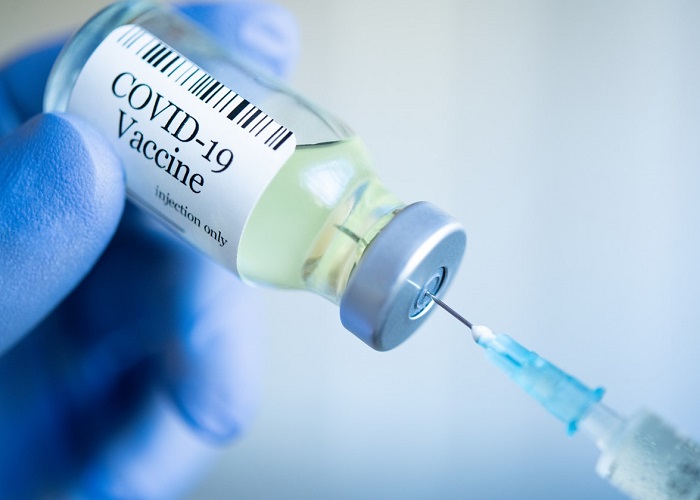
The worldwide roll-out of coronavirus disease (Covid-19) vaccines was controversial, with many claiming it took more lives than the infection itself. However, a recent study in PLOS Medicine found no evidence of an increased risk of sudden cardiac death in healthy adults under 50 after vaccination, reports News Medical.
The pandemic led to the accelerated development and release of novel mRNA and other vaccines against the pathogen, with millions of people receiving one or more doses of a Covid-19 vaccine as part of public health guidelines to address the outbreak.
Previous research has established a risk of myocarditis after mRNA vaccine uptake, mostly in young men under 40. Other Covid jabs based on non-replicating viral vectors were associated with vaccine-induced immune thrombotic thrombocytopenia (VITT), causing death from thromboembolism in a few cases.
Both scientists and non-professionals have since publicly claimed that young healthy people were more likely to suffer sudden death after taking this vaccination.
However, more than 75% of the population in industrialised countries were vaccinated, making it likely that most sudden deaths would necessarily occur in this segment, in previously vaccinated people.
The need to resolve this question led to the current study, which aimed to test whether Covid-19 vaccination was associated with a higher risk of sudden death in apparently healthy younger people.
Case-control study
The researchers conducted a case-control study in Ontario, Canada using the Ontario Health Insurance Plan, which provides universal health coverage to all residents. It included 4 963 people aged 12 to 50.
All were apparently healthy at baseline, but all died out of hospital (~90 %) or within 24 hours of presentation to hospital. Cases included out-of-hospital deaths or deaths shortly after hospital presentation with diagnoses such as cardiac arrest, sudden death, or significant ventricular arrhythmia, while excluding trauma, mental illness, or substance use.
The study period was between 1 April 2021 and 30 June 2023, when vaccine uptake rates were highest among healthy people. The researchers did not include those without recorded healthcare-seeking behaviour over the past decade, reducing the chances of participants with undocumented disease.
They also excluded other conditions that increased the risk of sudden cardiovascular death, or severe illness due to Covid-19, for instance, schizophrenia, substance abuse, cardiovascular disease, or chronic disease. However, mood disorders, asthma, and hypertension were not exclusion criteria since these are relatively common among otherwise healthy people.
Each case was matched with five controls matched by age and sex, geographic area of residence (forward sortation area), and neighbourhood income (by quintiles), who were alive on the date of death of the case patient.
The researchers assessed whether sudden death was associated with a history of Covid-19 vaccination, and adjusted for factors that might alternatively account for an association, like having tested positive for the virus, the number of tests done, having had flu shots, or a history of asthma, hypertension, and mood or anxiety disorders.
They further applied varying exposure definitions and case subsets to verify their initial findings. They also used a modified self-controlled case series (SCCS) including only vaccinated individuals with up to three doses of any Covid-19 shot, who suffered sudden death during the study period.
No increased sudden death risk
The median age of the cases was 36 years, and nearly 75% were men. Cases and controls differed in a few respects: the cases were more likely to have hypertension and mood disorders, and less likely to have received Covid-19 and influenza vaccinations. Most people received the Pfizer/BioNTech mRNA vaccine.
The researchers found that after adjusting for other risk factors, Covid-19 vaccination was associated with a 43% reduction in the odds of sudden death. If two doses were received, the inverse association was stronger, while it was insignificant with only one dose.
Conversely, the odds of sudden death were more than doubled if the person tested positive for the virus within the 90 days preceding death. Other risk factors included hypertension and mood/anxiety disorder, which increased the risk of death by 70% and over threefold, respectively, as well as asthma, which was also associated with increased odds.
When restricted to the period within six weeks of death, a similar association was observed, with 37% lower odds of death in this group compared with unvaccinated individuals. Since the subgroup below 40 years has been identified as at higher risk of vaccine-associated myocarditis, it was also analysed separately.
Here again, any Covid-19 vaccination reduced the odds of sudden death by 47%.
Other subgroup analyses using alternative definitions of vaccine exposure replicated the findings. However, in the self-controlled case series analysis, there was no significant difference in the rate of sudden death in the six weeks subsequent to vaccination after the first, second, or third dose.
The authors suggest that this may reflect residual confounding, including potential differences in health-seeking behaviour, which could lower the observed rates of sudden death.
Supporting vaccine safety amid misinformation debates
The findings discredit the suggestion that Covid-19 vaccinations are linked to a higher rate of sudden death among young healthy people. Conversely, this observational study does not support an increased risk and found lower odds of sudden death in vaccinated individuals in case-control analyses, although this association may not be causal.
This is an important finding in the current context of vaccine misinformation and widespread vaccine hesitancy, and should strengthen public health messaging about vaccine safety.
Study limitations
The study has several limitations. The researchers were unable to confirm the exact cause of out-of-hospital deaths, meaning they could not fully exclude deaths due to trauma, violence, or suicide.
Additionally, reliance on PCR-confirmed cases meant that infections identified through non-PCR tests were not captured.
Residual confounding may also be present due to differences in health-seeking behaviour between cases and controls, although this limitation is less relevant to the SCCS analysis. Finally, the use of neighbourhood-level socioeconomic measures and the inability to account for undiagnosed disease could have influenced the findings.
Safety of jabs in youth reinforced
This case-control study found no evidence of an increased risk of sudden cardiac death in healthy young people associated with Covid-19 vaccination, while observed lower odds in some analyses should be interpreted with caution due to potential confounding.
Study details
Association between Covid-19 vaccination and sudden death in apparently healthy younger individuals: A population-based case-control study.
Bhatt, H. A., Swayze, S., Paterson, M., et al.
Published in PLOS Medicine on 19 March 2026
Abstract
Background
Covid-19 vaccines can cause rare but serious adverse events such as myocarditis and immune thrombotic thrombocytopenia. Despite a lack of strong evidence, concerns have been expressed that Covid-19 vaccination might lead to sudden death in younger healthy adults. We studied the association between Covid-19 vaccination and sudden death in apparently healthy people aged 12–50 years.
Methods and findings
We conducted a population-based case-control study using linked administrative datasets of residents of Ontario, Canada who were alive as of April 1, 2021. We excluded individuals aged >50 years and those with documented cardiovascular disease, mental illness, or diseases that predispose to adverse outcomes from Covid-19. We defined cases as those with out-of-hospital death, or death within 24 hours of presentation to hospital with a final diagnosis of cardiac arrest between April 1, 2021 and June 30, 2023. We matched each case with five controls on age, sex, region of residence, and neighbourhood income quintile. We used conditional logistic regression to assess the association between sudden death and previous Covid-19 vaccination after adjusting for multiple potential confounders (positive severe acute respiratory syndrome coronavirus 2 [SARS-CoV-2] tests, number of SARS-CoV-2 polymerase chain reaction (PCR) tests, influenza vaccination, common comorbidities). Sensitivity analyses were conducted with different definitions of the exposure and subsets of cases (with their matched controls). Another sensitivity analysis utilised a modified self-controlled case series (SCCS) of vaccinated individuals meeting the case definition during the study period with up to three doses of any Covid-19 vaccine.
Of 6,365,451 eligible individuals, we identified 4,963 (0.08%) cases meeting our definition of sudden death (median age 36 years, 74.4% male). In the primary analysis, Covid-19 vaccination was associated with a lower risk of sudden death (adjusted odds ratio [aOR] = 0.57; 95% confidence interval (CI) [0.53,0.61]; p < 0.001). The findings were consistent for COVID-19 vaccination within six weeks before death (aOR = 0.63; 95%CI [0.55,0.72]; p < 0.001) and in sensitivity analyses limited to people aged <40 years (aOR = 0.53; 95%CI [0.48,0.58]; p < 0.001), those who died in hospital or in the emergency department (aOR = 0.71; 95%CI [0.55,0.91]; p = 0.006), and after exclusion of opioid-related deaths (aOR = 0.57; 95%CI [0.51,0.64]; p < 0.001). The SCCS sensitivity analysis showed no significant difference in the rate of sudden death in the 6 weeks following first (relative incidence (RI) 0.87; 95%CI [0.54,1.40]; p = 0.57), second (RI 0.94; 95%CI [0.57,1.57]; p = 0.82), or third (RI 0.87; 95%CI [0.37,2.05]; p = 0.10) dose of the Covid-19 vaccine. Study limitations include the inability to confirm the cause of out-of-hospital deaths and residual confounding due to differences in health-seeking behaviors for the case-control analysis.
Conclusions
These findings do not support the hypothesis that Covid-19 vaccines increase the risk of sudden cardiac death in young healthy adults.
News Medical article – No link between Covid-19 vaccines and sudden cardiac death (Open access)
See more from MedicalBrief archives:
Covid jabs had lower risk of death than any cause – study of 68m people
Kennedy pushes for review of Covid vaccine deaths
BMJ study on link between excess deaths and Covid jab raises questions
JAMA study: 35% of excess US deaths tied to causes other than Covid-19
Thousands of Covid deaths tied to hydroxychloroquine – French study