


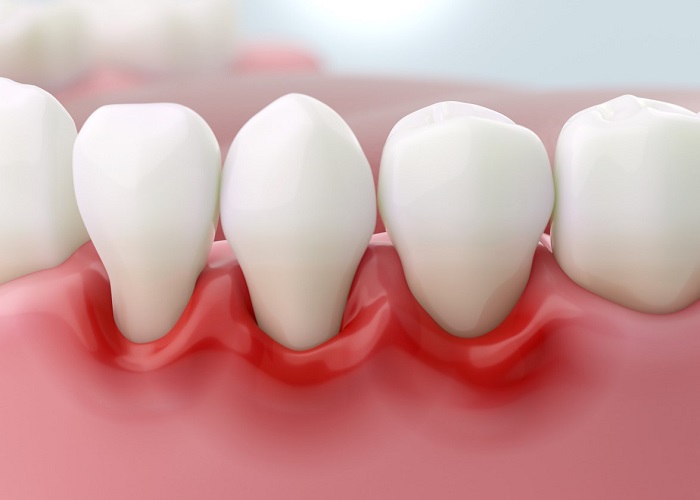
A recent analysis is strengthening the theory of a link between oral health and the brain, the latest -term study in Japan suggesting a connection between bleeding and receding gums and a substantially higher risk of dementia.
Most of us think of dementia as a brain disease, but emerging evidence is linking gum disease and oral microbes with changes to neurological tissue and cognitive function, with some studies even suggesting that losing teeth can raise the risk of stroke or neurodegenerative disorders like Alzheimer’s.
This latest analysis adds to the idea that the cause of dementia may be coming from inside the mouth.
The findings are published in The Journal of Clinical Periodontology.
The study is observational, so it can’t prove that poor gum health is causing dementia, but the data are long-term.
Researchers tracked the oral and neurological health of nearly 1 400 adults in Japan for a decade. They found that compared with those with the least amount of gum bleeding, people who experienced the most bleeding were 56% more likely to develop all-cause dementia in the next 10 years.
They were also 61% more likely to develop Alzheimer’s specifically.
But there was another factor linked to brain health, too. Participants with the worst receding gums had a 59% higher risk of all-cause dementia.
Bleeding gums with gaps near the teeth are both indicators of active and progressive inflammation. This could be part of what contributes to dementia pathology, although that idea remains speculative.
Studies recently found that inflammation in other parts of the body, like the gut, may also contribute to dementia risk.
“Persistent systemic inflammation may impair the blood-brain barrier, allowing inflammatory mediators to penetrate the brain tissue and induce neuroinflammation and neuronal damage,” suggest the researchers.
These factors may then raise the risk of Alzheimer’s.
“Until not that long ago, most people, including myself, did not think that the immune response was even involved in neurodegenerative diseases that are due to protein accumulation in the brain,” said neurologist David Holtzman from Washington University about a recent study on neuroinflammation and dementia.
“We’ve shown they’re important, and that they are a potential target for future therapy.”
Inflammatory signals in the blood and dementia in the brain seem to be closely linked, but receding or bleeding gums may also foster pathogens that can potentially threaten brain health in a more direct way.
While the current study tracks participants over a long period, there were only 51 cases of vascular dementia compared with 267 cases of all-cause dementia.
This makes it hard to glean why bleeding gums are associated with some types of dementia more than others.
These findings will need to be confirmed in larger, more diverse cohorts to see if oral health really is predictive of future cognitive decline, and which factors of oral health contain the most clues.
If the state of the mouth and the brain are united, however, then dental care to “improve and maintain periodontal health may help reduce the risk of dementia”, the authors theorise.
Study details
Periodontal Status and the Risk of All-Cause Dementia, Alzheimer's Disease and Vascular Dementia in a Community: The Hisayama Study
Michiko Furuta, Tomoyuki Ohara, Satoko Sakata et al.
Published in Journal of Clinical Periodontology on 16 August 2026
Abstract
Aim
This study examined the associations of periodontal status with incident dementia and its subtypes in a Japanese community.
Materials and Methods
The 1 396 participants aged ≥ 60 years without dementia were followed for 10 years. Periodontal status at baseline and 5 years was assessed using mean probing pocket depth (PPD), clinical attachment level (CAL) and percentage of bleeding on probing (%BOP), categorised into quartiles. Cox proportional hazards and time-varying Cox models were used.
Results
During follow-up, 267 participants developed dementia; 194 and 51 had Alzheimer’s disease (AD) and vascular dementia (VaD), respectively. Compared with the lowest quartile, the highest quartiles of PPD, CAL and %BOP at baseline were associated with increased dementia risk (hazard ratio 1.72 [95% confidence interval 1.18–2.46], 1.59 [1.07–2.38] and 1.56 [1.09–2.22], respectively, all p for trend < 0.05). Elevated %BOP was associated with AD risk (p for trend = 0.023). Higher PPD tended to be associated with VaD (p for trend = 0.076). Similar associations for all-cause dementia were observed in time-varying Cox analyses.
Conclusions
Poor periodontal status was associated with dementia in older Japanese adults. These findings highlight the potential public health importance of preventing periodontitis to reduce the risk of dementia.
See more from MedicalBrief archives:
DNA-evidence shows link between gingivitis and Alzheimer’s
Prostatitis reduced with gum disease tx
Gum infection a risk factor for heart arrhythmia – Japanese study